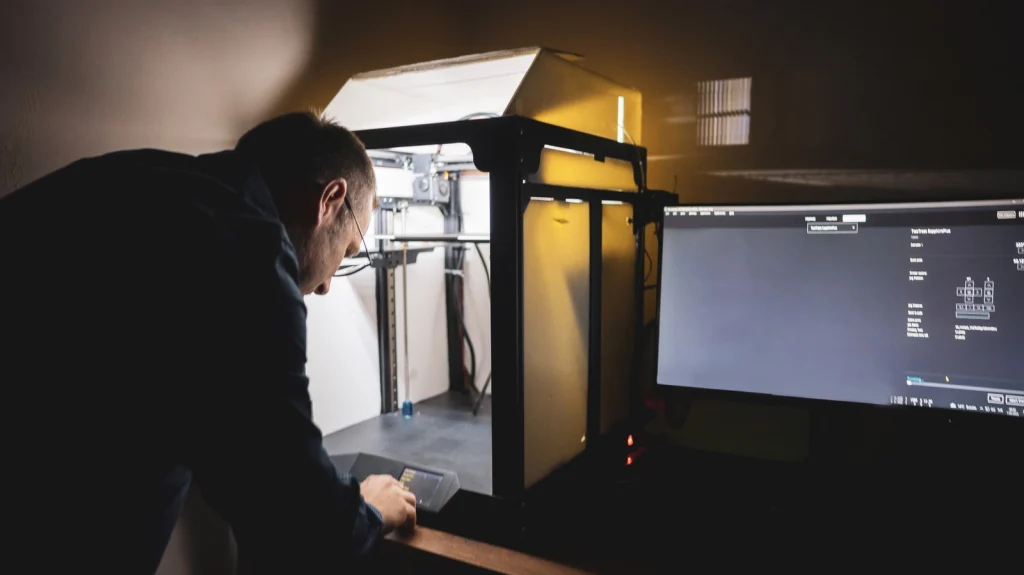
A team from Graz University of Technology (TU Graz) has developed an innovative solution to cool spaces using 3D-printed ceramic cubes that operate without electricity. This concept builds on traditional evaporative cooling principles, which have been utilized for centuries in various civilizations through clay containers to keep spaces cool.
These specialized cubes, measuring approximately 23 centimeters on each side, utilize a highly porous design that maximizes surface area. This increases their capacity to absorb water and enhance evaporation. When placed in warm environments, such as hot attics, water in the cubes evaporates, absorbing heat from the surrounding air and resulting in a noticeable cooling effect. In initial tests, surrounding air temperatures dropped by nearly seven degrees Celsius.
The researchers used advanced additive manufacturing technology specific to ceramic materials, indicating they are not aiming for consumer-grade applications yet. However, they envision future potential for integrating these cooling materials into construction, creating energy-efficient systems embedded within buildings.
While replicating this technology at home might not be feasible for the average consumer, 3D printing remains an option for addressing various household challenges on a smaller scale. The TU Graz team’s work highlights the impactful applications of 3D printing technology in sustainable building practices.
For more details, you can read the original article on SlashGear.