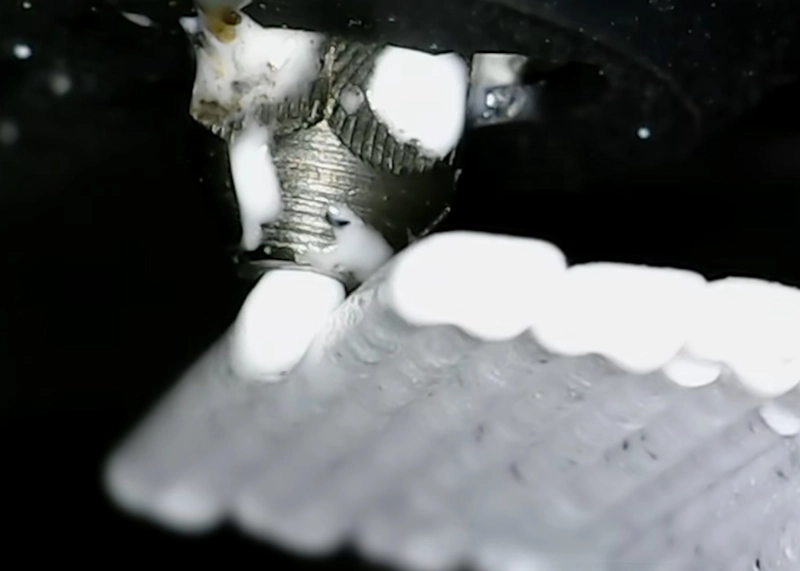
We are witnessing advancements in 3D printing techniques, particularly with the introduction of wave overhangs. This innovative method allows for the creation of horizontal overhangs without the need for supports. It builds on earlier concepts, such as arc overhangs, but employs a different approach: rather than attempting to print overhangs in free space, the slicer grows the overhang from the main structure.
Consider the example of printing a letter ‘T’. While printing the vertical stem is straightforward, the horizontal arms typically require additional support. With wave overhangs, these arms could begin to extend from the stem, slightly overlapping, effectively carrying the weight and allowing for a cleaner print.
This method is more effective than arc overhangs, which tend to create dimples at the center of each arc. By utilizing wave patterns akin to those seen in water, this technique can smoothly navigate around holes and corners.
However, the technology is still in experimental stages. Users have reported some issues with warping, and further adjustments and testing of settings are needed. For those interested in experimenting, a dedicated version of the Orca slicer is available for download, encouraging contributions and sharing of results within the community.
Previously discussed in the context of 3D printing, wave overhangs have not been extensively tested, and feedback from users who have tried the technique is welcome. More detailed findings can be found in a comprehensive paper on the subject, and additional information can be accessed through the software’s website.
For more details, head to: