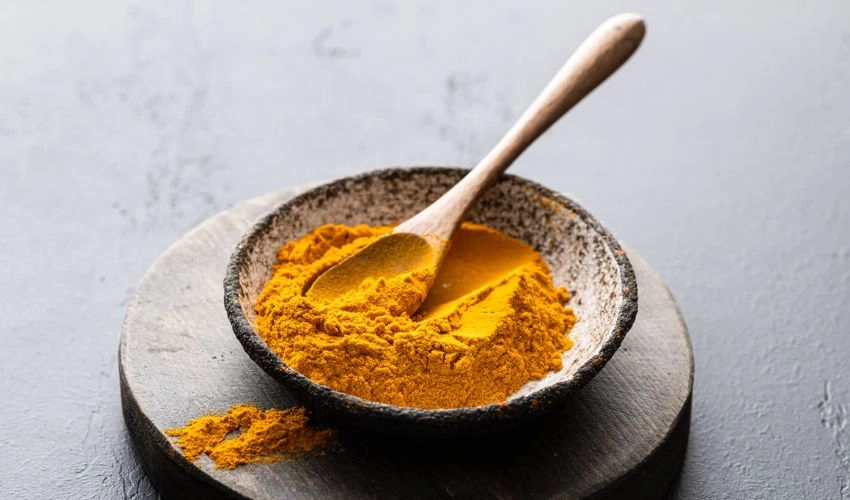
You may not be familiar with curcumin, but you certainly know turmeric, the vibrant spice commonly found in kitchens around the world. Curcumin is the chemical compound responsible for turmeric’s bright yellow color and has applications in herbal supplements, cosmetics, and food coloring. Recent research from Hunan University has unveiled a fascinating new use for curcumin in the field of ceramic 3D printing.
The Challenge of Light Scattering in Ceramic Additive Manufacturing
Ceramic 3D printing typically employs a method called digital light processing (DLP), which cures a liquid resin filled with microscopic ceramic powder through projected light patterns. However, these ceramic particles behave like tiny mirrors, causing light to scatter in random directions. This scattering leads to undesirable hardening in unintended areas, resulting in defects and loss of detail in the printed part.
To mitigate these issues, manufacturers have traditionally used industrial dyes to absorb excess light. Unfortunately, these dyes only block light passively and can compromise the thermal and mechanical integrity of the final product, forcing a trade-off between print quality and structural strength.
The Breakthrough with Curcumin
Curcumin’s unique properties offer a new solution to the challenges of ceramic 3D printing. Researchers found that it not only blocks excess light but also neutralizes erratic chemical reactions that lead to printing errors. Remarkably, curcumin is effective at an extremely low concentration of just 0.01 weight percent, thereby preventing blurring of fine features without slowing production.
Compared to traditional chemical dyes, curcumin significantly enhances the performance of ceramic 3D printing:
- Light Management: Curcumin actively absorbs stray light and neutralizes free radicals, preventing unwanted hardening.
- Feature Resolution: It maintains ultra-high resolution, successfully keeping 50-micrometer holes open, while traditional resins often clog them.
- Post-Processing: Curcumin burns away completely during the final debinding and sintering phases, ensuring maximum strength and density in the final product.
Through laboratory tests, this innovative approach reduced blurring errors to just 26.1 micrometers, demonstrating curcumin’s potential to improve precision in ceramic manufacturing.
Implications for the Additive Manufacturing Industry
The adoption of curcumin in ceramic 3D printing presents significant implications for various industries, including dental, aerospace, electronics, and advanced medical devices. This bio-based solution could facilitate the rapid production of lightweight yet complex components without compromising on detail or strength.
As ceramic 3D printing technologies continue to evolve, the transition from laboratory findings to commercial resin formulations will be closely monitored. For further details, you can read the full study published in the International Journal of Extreme Manufacturing here.
What do you think about this promising solution? Join the discussion in the comments or connect with us on LinkedIn and Facebook. Don’t forget to sign up for our Newsletter to receive the latest updates in 3D printing directly to your inbox!