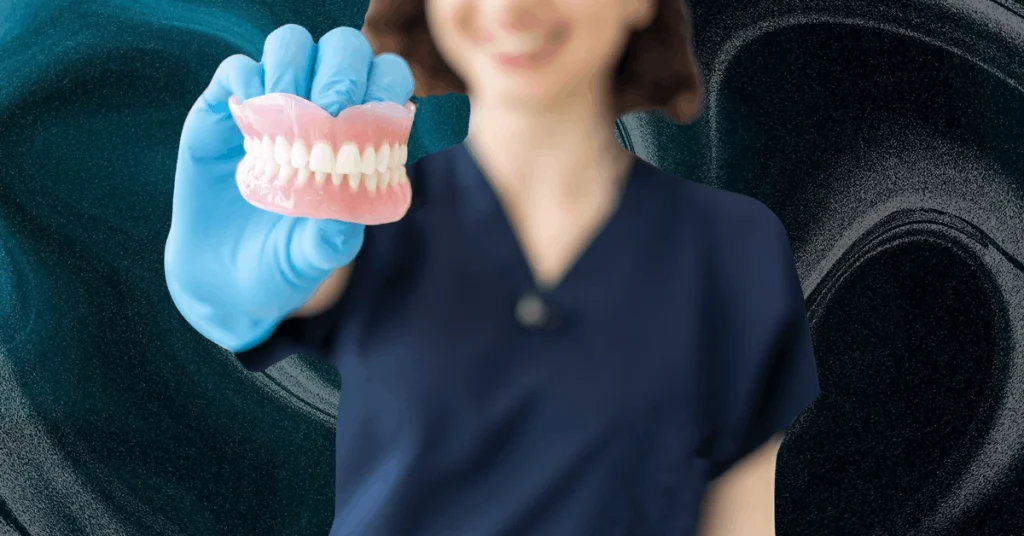
These days, technology is enabling the 3D printing of a wide range of items, from clothing to even human skin. However, one particularly uplifting application is the production of 3D-printed dentures aimed at assisting low-income individuals in regaining their smiles.
A 22-year-old engineer from Tennessee, Connor Gibson, has focused his efforts on providing free 3D-printed dentures to Americans in need, making a significant difference in their lives. Gibson’s initiative not only restores smiles but also enhances chewing, speech, and confidence, which can ultimately impact job opportunities.
Despite the critical role dentures play in oral health and overall well-being, many people struggle to access them due to financial constraints. The cost of dentures can range from $452 to as high as $6,500, making them a luxury for many low-income individuals. Additionally, approximately 27% of the U.S. population lacks dental insurance, and Medicare does not cover dentures.
Recognizing this urgent need, several innovators are working to make dentures more affordable, efficient, and accessible. Companies like Denture Care Shop and Spanish startup FabGRAB have already begun using 3D printing techniques to produce more cost-effective dentures. For instance, Denture Care Shop offers 3D-printed dentures for around $199 to $299.
Gibson has collaborated with Remote Area Medical (RAM), a nonprofit organization that provides free medical care via mobile clinics. His creation of RAM’s Mobile Digital Denture Lab allows for quicker, more efficient production of dentures, enabling the team to serve more patients than ever before. This approach not only lowers costs but also reduces the wait time for patients from months to just a weekend.
As the dental profession continues to encounter a shortage of practitioners, Gibson and his team are implementing advanced technology to ensure that lower-income families can access vital dental services. The growing restorative dentistry market, predicted to soar from $18.7 billion to $28.5 billion by 2032, promises even further developments in this area.
These efforts highlight not only the transformative potential of 3D printing in the healthcare field but also the importance of addressing the needs of vulnerable populations, securing brighter futures and smiles for many.