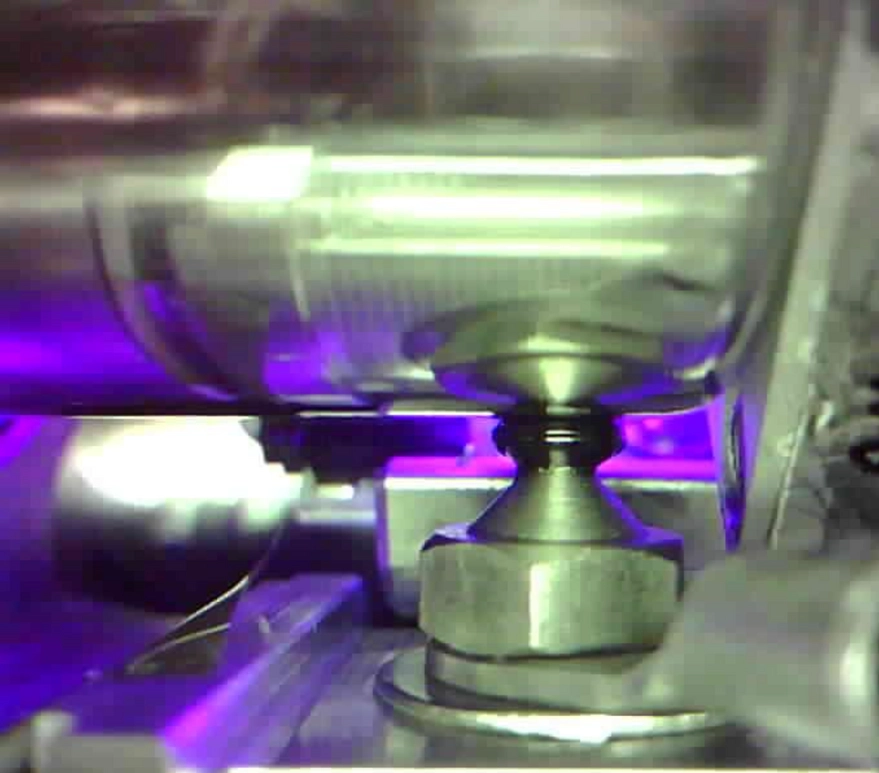
Poland’s Orbital Matter and Dcubed from Germany are pioneering efforts in 3D printing technology in orbit, focusing on the utilization of cubesats as a platform for these innovative experiments. The goal of the project is to advance the production of solar arrays by employing additively manufactured structural components.
Recently, Orbital Matter successfully 3D printed a layer of photopolymer resin on a spinning cylinder within an eight-unit cubesat that was launched this past July. This milestone represents a crucial step towards harnessing in-space manufacturing capabilities, which could significantly enhance the efficiency and flexibility of space missions by allowing parts to be manufactured on-demand in orbit.
The implications of such technology are profound, particularly as the space industry continues to grow and evolve. The ability to 3D print in space could reduce reliance on Earth-based supply chains, streamline operations, and ultimately lead to more sustainable space exploration practices.
For more information, visit the original article here.