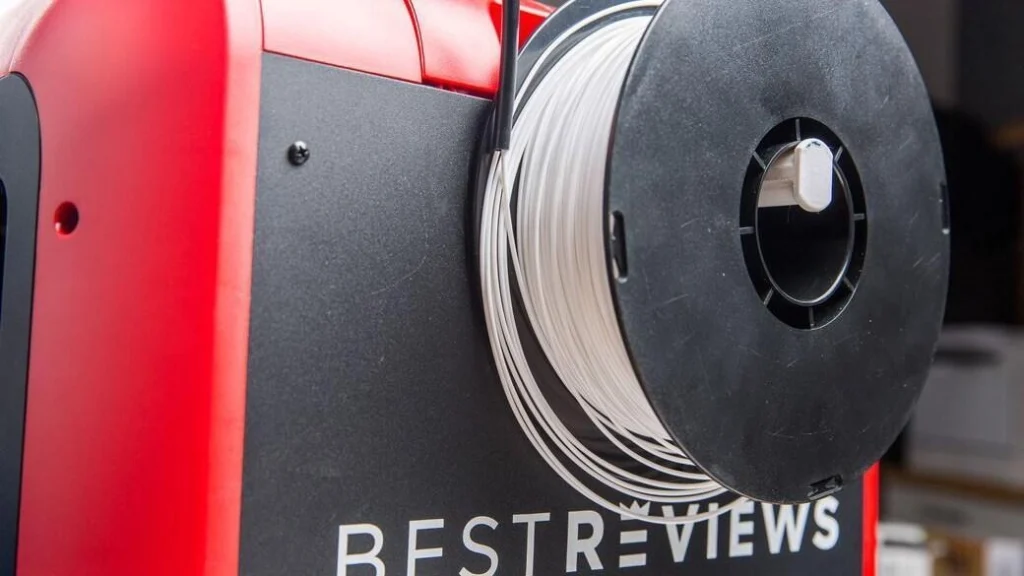
3D printing technology has evolved significantly since its inception in the mid-1980s, transitioning from a costly, professional-only practice to an accessible hobby with entry-level printers available for about $200. The development of materials used in 3D printing, primarily filaments, has also grown, allowing users to create a diverse range of objects, including intricate designs and even biomechanical organs.
When considering which filament to use, the Mika3D PLA 3D Printer Filament Bundle stands out as an excellent choice. It offers a variety of colors and options, making it versatile for numerous printing needs.
Factors to Consider When buying 3D Printer Filament:
-
Thickness: Filaments come in different thicknesses, including 1.75 mm, 2.85 mm, and 3 mm, with 1.75 mm being the most common. Ensure the filament thickness matches your printer’s specifications.
-
Quantity: Filaments are sold in spools, typically weighing 1 kg or 0.5 kg. It’s important to consider how much you’ll need based on the size of your projects.
-
Material Properties: The material type affects durability and application:
- PLA (Polylactic Acid): Ideal for beginners, eco-friendly, but can be brittle.
- ABS (Acrylonitrile Butadiene Styrene): Strong and durable, suited for protective gear but tricky to handle.
- Nylon: Highly flexible and strong but may increase printing time.
- PET (Polyethylene Terephthalate): Great for food container items, derived from recycled materials.
- TPE (Thermoplastic Elastomer): Provides maximum flexibility for things like footwear.
- PC (Polycarbonate): Extremely strong and heat resistant.
-
Additional Features: Some filaments may have extra materials:
- Metal powders for conductivity or aesthetics.
- Wood fibers for a natural finish.
- Carbon fibers for advanced structural properties.
Pricing
Basic filaments can start at around $10, while standard options range from $15-25. More specialized filaments typically exceed $30.
Common FAQs about 3D Printer Filament
- Are there eco-friendly options? Yes, PLA is the most environmentally friendly, made from sugarcane and cornstarch.
- What can you 3D print? Almost anything, as long as it’s designed correctly.
- Can you mix different filament materials? Mixing isn’t recommended due to varying melting points and bonding issues.
Recommended Filaments
-
Mika3D PLA 3D Printer Filament Bundle: A one-stop solution with numerous color options tailored for all needs.
-
Geeetech PLA 3D Printer Filament: An affordable choice that comes in a vacuum-sealed bag, available in numerous colors but susceptible to brittleness if not stored correctly.
-
Amolen PLA Glow-In-The-Dark Filament: Great for creative projects, available in various glowing colors, compatible with most printers.
For further reading and best purchase options, visit links provided for specific filament recommendations.