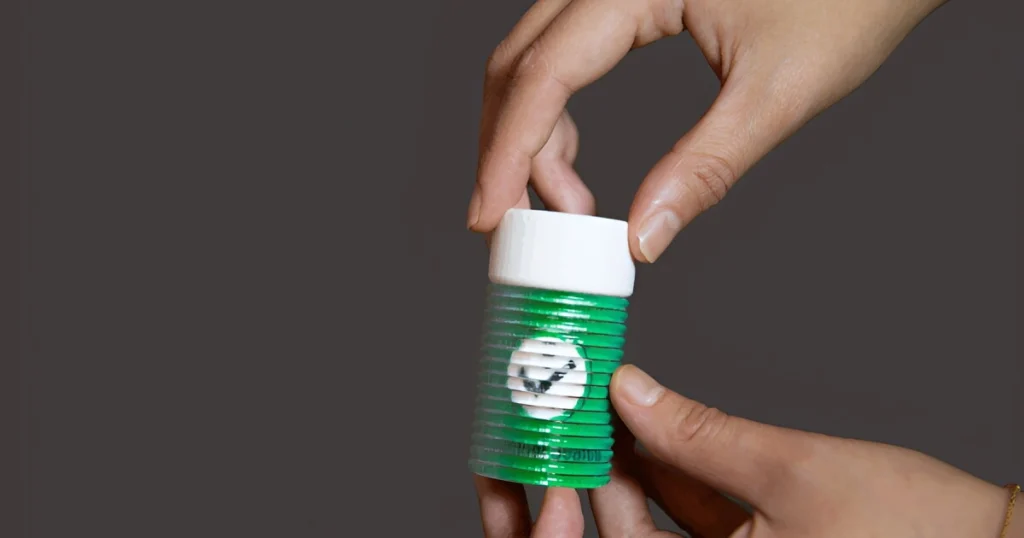
Researchers at the Massachusetts Institute of Technology (MIT) have developed a groundbreaking system called ShiftLens, which enables 3D-printed objects to indicate whether they are being used properly, all without the need for complex electronics. This innovation, presented in a recent paper by MIT Electrical Engineering and Computer Science graduate student Yunyi Zhu, utilizes mechanically switchable surface appearances to deliver dynamic visual feedback.
Unlike traditional interactive objects, which often rely on electronic components, ShiftLens employs a simple yet effective mechanism using lenticular lens technology. By rotating or pressing on the object, a user can alter its appearance, making it clear if an item—such as a pill bottle or hazardous container—is sealed correctly. If an object is not correctly closed, its surface changes color or pattern to alert the user.
The system is robust enough to function even when exposed to water or other adverse conditions. This reliability stands in contrast to electronic displays, which can fail when wet or damaged.
Creating a ShiftLens object is accessible, requiring just a single print run on a multi-material 3D printer, making it easy for non-experts to design and produce their own optomechanisms with minimal specifications. This advancement opens doors for various fields, including engineering, architecture, and design, allowing professionals to create interactive and informative products tailored to their needs.
Future developments for ShiftLens include simplifying the design process even further, which could lead to a wider range of applications in engineering and consumer products. The importance of such mechanisms extends beyond everyday objects to potential innovations in fields like telescopy and quantum mechanics, indicating a rich avenue for future exploration and creativity.