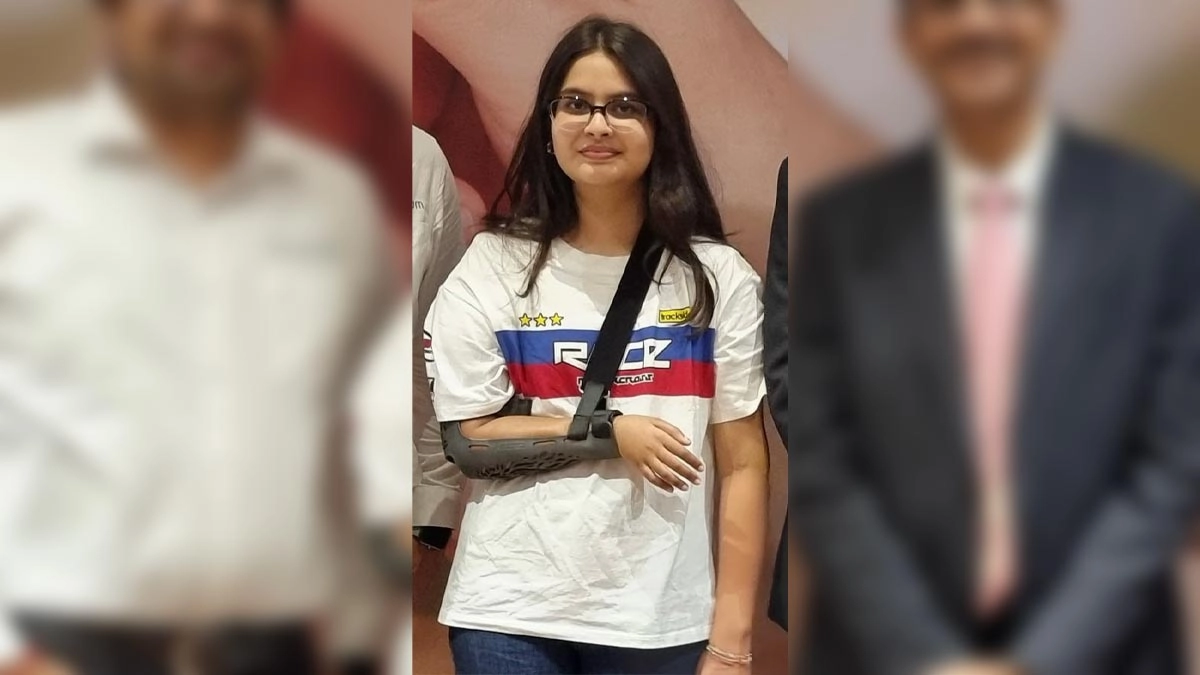
On October 30, 2022, 13-year-old Anamta Ahmed from Mumbai experienced a life-changing incident while visiting her relatives in Aligarh for Diwali. As she enjoyed the view from a terrace, she accidentally touched a nearby 11KV power line, resulting in a severe electric shock. “Suddenly, I lost my vision, my body started shaking… It was terrifying,” she recalls. Following the incident, she was rushed to a local hospital, where doctors diagnosed her with gangrene in her right hand, leading to the decision for amputation.
After seeking a second opinion from a top hospital in Delhi and being airlifted to Mumbai’s National Burn Centre, Ahmed underwent the amputation. Despite this drastic change in her life, she exhibited remarkable resilience. Ahmed returned to school shortly after the surgery, scoring 92% in her Class 10 exams. Meanwhile, her family sought options for rehabilitation, ultimately focusing on a hand transplant. In October 2024, she became the youngest recipient in Asia to receive a shoulder-level limb transplant.
Following the transplant, Ahmed required an orthotic device to aid her recovery. This is where Imaginarium, a pioneering 3D-printing company, stepped in. They designed a custom-made, biocompatible 3D-printed orthotic brace tailored specifically for her needs. The traditional pouches she had been using were uncomfortable, but the brace offered ventilation and comfort. “It is stylish, pairs well with outfits, and, most importantly, is incredibly comfortable,” Ahmed expressed, appreciating the aesthetics as well as the functionality of the device.
Aashay Mehta, managing director of Imaginarium, highlighted the role of 3D printing in revolutionizing healthcare, particularly through mass customization for individual anatomy. Traditional methods often result in variable outcomes due to reliance on manual craftsmanship. In contrast, 3D printing ensures precision and speed in creating custom devices. In Ahmed’s unusual case, the need for a quick and effective solution was paramount. Imaginarium utilized 3D printing technology to design and manufacture her brace in under a day, a process that would typically take far longer using conventional methods.
Mehta emphasized the significance of using high-quality, biocompatible materials in their products, providing assurance about the safety and effectiveness of their devices. Moreover, he pointed out that despite being custom-made, their products are comparably priced to traditional alternatives, providing a strong value proposition due to the faster turnaround time.
Imaginarium is also exploring advancements in automation through AI and machine learning to enhance their design and production processes. Mehta acknowledged the endless possibilities offered by 3D printing technologies in healthcare, indicating that Imaginarium is committed to maximizing their potential in various applications.