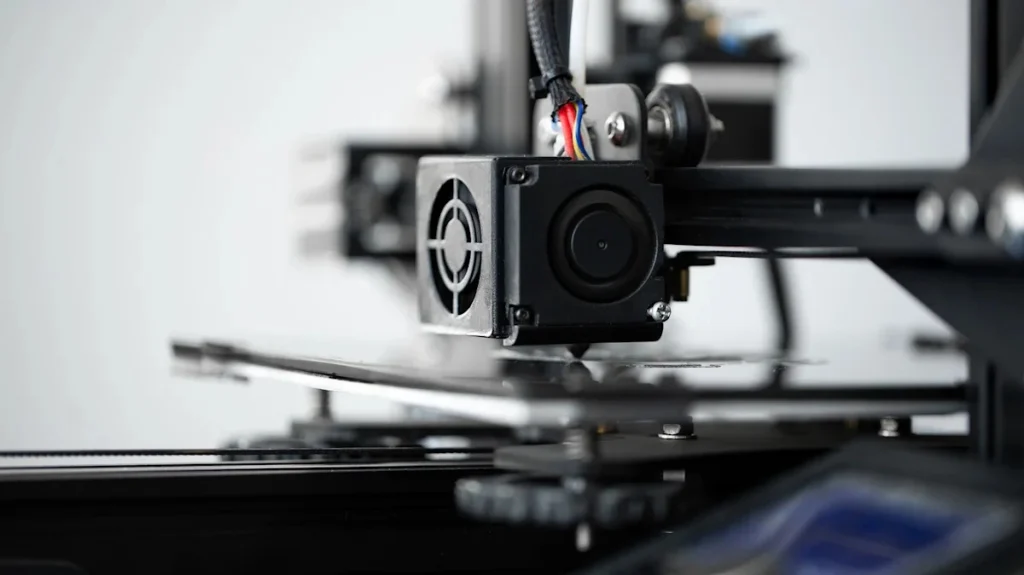
3D printing technology has evolved significantly, presenting a broad spectrum of printers at varying price points. This evolution means that both casual hobbyists and professional users can find a model that suits their needs, but there’s a clear distinction between cheap and expensive options.
The Differences in 3D Printers
Generally, higher-priced printers come with better features and quality, which can greatly impact usability and print outcome. Users who opt for cheaper models often encounter limitations—these printers usually have simpler designs, minimal features, and are more susceptible to issues like extended printing times and poor-quality finishes. If you aim to produce high-quality, intricate designs, a professional-grade printer is recommended.
Cheap Printers: Best for Hobbyists
Affordable 3D printers can be found for as little as $180, making them accessible for newcomers. However, these devices are typically designed for basic tasks. The cheapest models may require assembly and lack enclosed designs, which can affect the printing process and results. They are best suited for hobbyists or those looking to explore 3D printing without a significant financial commitment.
Expensive Printers: Designed for Professionals
In contrast, expensive 3D printers cater to professional users. These models usually offer larger build sizes, faster print times, and enhanced precision. With features like automatic bed leveling and advanced software support, they greatly simplify the printing process. While the upfront cost can be intimidating—often exceeding $1,000—the investment pays off in reliability and quality for those looking to produce prints regularly.
In summary, while both cheap and expensive 3D printers have their place, the choice ultimately depends on your goals. Beginners can start with budget-friendly options to get a feel for the technology, while serious creators should consider investing in a higher-end model to match their professional ambitions.
For more insights into the 3D printing world, you can check out the original article here.