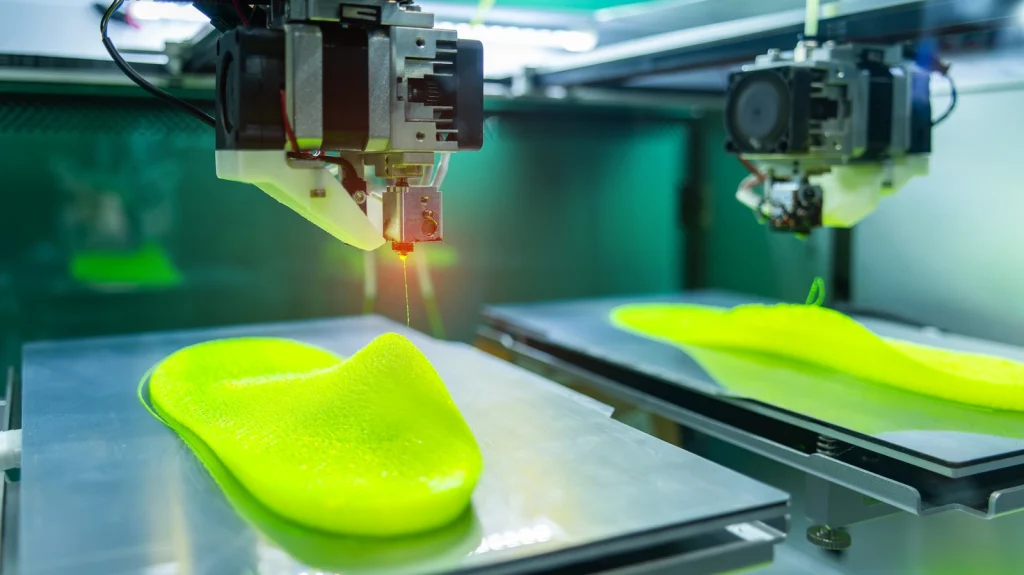
A 3D printer can be a worthwhile investment for people whose hobbies rely on replacement parts, custom tools or specialty accessories. Entry-level filament printers cost around $170, and a kilogram of filament typically costs about $20. Whether you save money depends on how often you print and what you would otherwise pay for each item. Libraries, maker spaces and online printing services can also offer a way to try the technology without buying a machine.
Most home printers use fused deposition modeling (FDM), which melts plastic filament—often PLA—through a heated nozzle. Resin printers can produce finer details, but cost more. Here are five hobbies where printing useful items may help reduce expenses.
1. Drones and remote-controlled vehicles
A crash can mean replacing parts, and printing some of them may be cheaper and faster than ordering replacements. Camera mounts, antenna guards and arm protectors are possible candidates. Avoid printing flight-critical parts, such as propellers, for an expensive drone unless the material and design have been properly tested.
2. Gardening and vehicle maintenance
Gardeners can print items such as plant labels, clips, planters, soil dibbers and bird feeders. In the garage, a printer can help replace hard-to-find interior trim, knobs and other small components, as well as make tool organizers and custom tools. Printing can be especially useful when a part is sold only in quantities larger than you need.
3. Smart-home projects
Cable organizers, hub shelves, wall mounts and small replacement parts are practical prints for home automation. You can also create cases or buttons for NFC stickers, make signs that let guests connect to Wi-Fi, or build a custom frame for a home-control touchscreen. A tablet mount can be a lower-cost way to add a wall-based control panel.
4. Photography and videography
Lens caps, cable clamps and battery holders are among the accessories photographers may be able to print for less than branded replacements. Other options include battery plates, microphone and lighting mounts, selfie handles and compact tripods. Customizing a design can also help create a tool for a particular shot.
5. Tabletop games and model-making
Role-playing games, model railroads and scale-model hobbies offer plenty of opportunities for printing. Players can make characters, monsters, buildings, trees and terrain, while railroad enthusiasts can create track details or replacement logos. Highly detailed miniatures may call for a resin printer rather than a basic FDM model. MyMiniFactory is one source for 3D-printable models.
Before buying a printer, consider how often you’ll use it, whether you’re comfortable working with designs and what materials and maintenance will cost. Printers also need adequate space and ventilation, so a bedroom or living room may not be suitable. Trying a library or maker-space printer first can help you decide whether owning one makes sense.