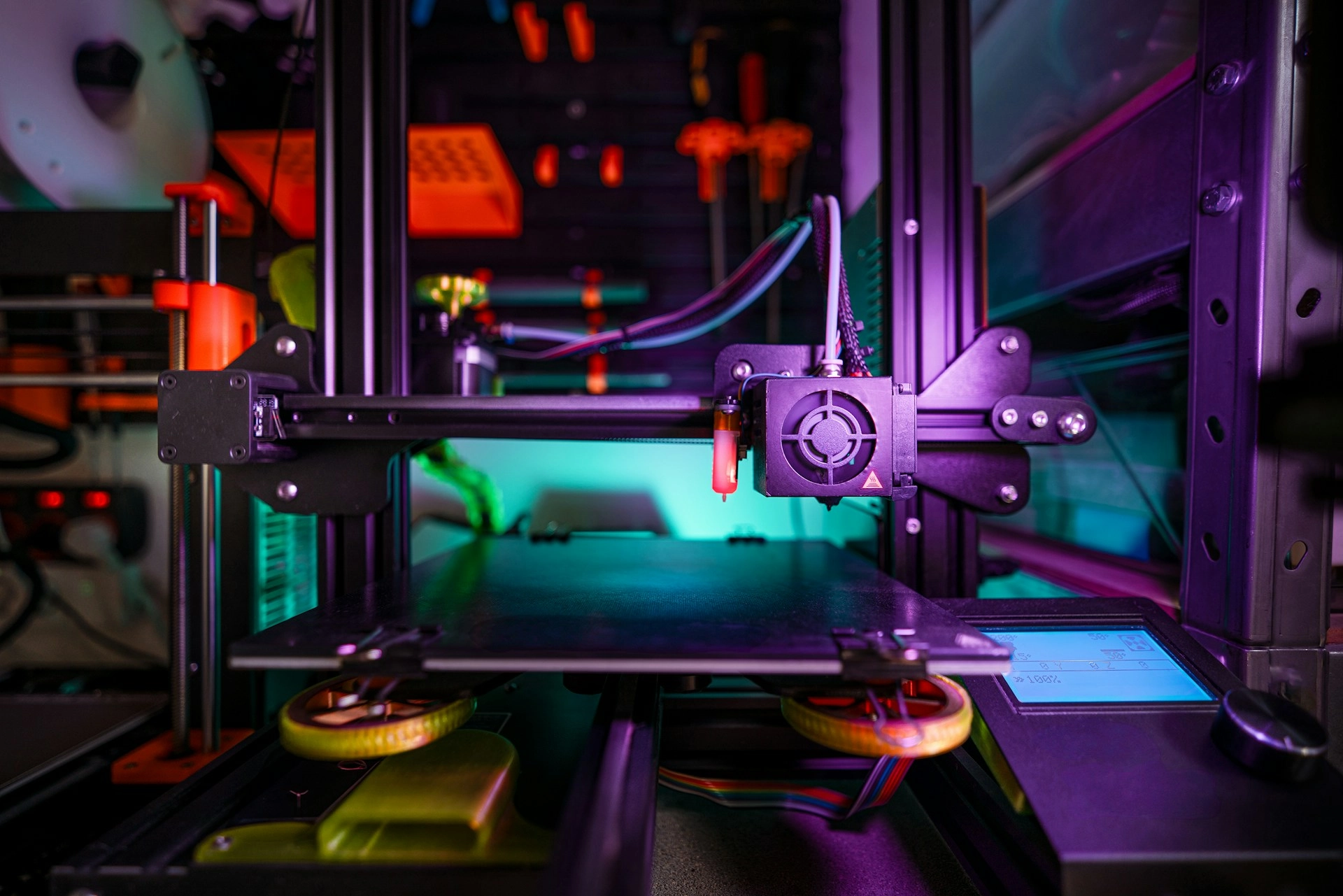
Digital light processing (DLP) 3D printing is becoming increasingly popular across various industries, revolutionizing manufacturing processes and production lines.
Understanding DLP Technology
Unlike traditional 3D printers that melt plastic, DLP utilizes a light projector to shine layers of liquid resin, which cure instantly. This method results in faster, highly accurate, and cleaner outputs, providing a crisp finish due to its light-assisted mechanism.
The Surge in Adoption
DLP technology has been around for a while, but it is only now gaining significant attention due to advancements in technology. Previously, DLP printers were expensive, and the range of resins was limiting, making them impractical for widespread use. However, with improved reliability, advanced resin options, and reduced costs, DLP has become viable for high-volume production instead of mere prototyping.
Businesses are increasingly seeking the speed, accuracy, and quality that DLP offers, making it a perfect fit for modern manufacturing needs. The design-to-print process has also become more efficient, allowing users to load DLP slicer software and begin printing with minimal setup.
Industries Reaping the Benefits
Healthcare
In healthcare, DLP is utilized for creating surgical guides, implants, and tools with remarkable precision. The ability to produce customized anatomical models quickly is reshaping surgical planning and patient outcomes.
Jewelry
The jewelry industry is leveraging DLP to create intricate designs that were once time-consuming. Now, these detailed pieces can be produced in hours, enhancing both efficiency and quality.
Automotive
DLP is impacting automotive engineering by enabling the production of small molds that require tight tolerances. Many components produced are not just prototypes but functional parts that boost in-house manufacturing capabilities.
Consumer Electronics
In consumer electronics, DLP is being used to create custom parts and molds, facilitating ergonomic designs that closely mimic final products in testing and marketing phases, which can greatly influence product launches.
DLP 3D printing is not just a futuristic concept; it is a current solution that delivers faster, cleaner, and more efficient manufacturing. Industries that require rapid production and high-quality outputs are increasingly turning to DLP technology, indicating a significant shift in how products are made today. If you’re involved in manufacturing, now is the time to consider integrating DLP into your processes.