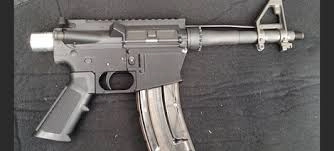
3D printing is rapidly transforming the manufacturing landscape, and its impact on the firearms industry is particularly noteworthy. This technology allows for highly customizable parts to be created with precision that traditional manufacturing methods struggle to achieve. From custom barrels to entire frames, the possibilities are extensive.
What Is Industrial 3D Printing?
Industrial 3D printing goes beyond the consumer-grade printers known for creating basic objects from plastic filaments. These advanced devices use a variety of materials—including metals and high-strength polymers—necessary for producing durable firearm components that can endure high pressure and heat.
Key techniques used in industrial 3D printing include:
- Selective Laser Sintering (SLS): This method employs a powerful laser to fuse small particles of materials into solid layers, making it suitable for creating complex geometries.
- Direct Metal Laser Sintering (DMLS): Similar to SLS, DMLS focuses on metals, using lasers to melt metal powder layer by layer.
- Fused Deposition Modeling (FDM): Often used for prototyping, FDM is typically less suitable for high-stress components but remains a cost-effective option.
Advantages of 3D Printing for Firearm Parts
The introduction of 3D printing to firearms manufacturing offers several significant benefits:
Customization
With 3D printing, manufacturers can easily prototype and customize parts, enabling the creation of grips, stocks, and barrels tailored to specific needs. This flexibility allows for precise adjustments that significantly enhance firearm functionality.
Strength and Durability
Utilizing advanced materials like titanium and stainless steel ensures that 3D-printed components are stronger and more durable than traditional plastic parts. Additionally, the reduced weight can improve overall firearm performance.
Design Flexibility
3D printing facilitates the creation of intricate designs that may be difficult or costly to achieve using traditional methods. This includes optimized internal structures that can enhance accuracy and functionality.
Evident Applications of 3D Printing in Firearms
The technology can be applied in the following areas:
Custom Barrels and Slides
3D printing excels in producing custom barrels and slides, crucial for firearm performance. The precision of this method helps ensure parts fit seamlessly, which can reduce wear over time.
Lower Receivers and Frames
Lower receivers are the firearm components that house trigger mechanisms and constitute the legal definition of the firearm. 3D printing allows for the tailored production of these critical parts, and it has gained traction in the DIY community for home-built firearms.
However, this capability has raised legal concerns about the potential for creating untraceable "ghost guns" that evade traditional firearm regulations.
Ergonomic Enhancements
Custom grips and stocks designed for individual shooters can enhance comfort and control, ultimately leading to improved accuracy. 3D printing allows for bespoke designs that cater to unique preferences and ergonomics.
Challenges Facing 3D Printing in Firearms
Despite its advantages, the integration of 3D printing into firearm manufacturing faces several challenges:
- Legal Issues: The capability to easily produce firearm parts raises concerns regarding the regulation of home-manufactured components, particularly regarding ghost guns.
- Material Limitations: While advanced materials are available, certain printed parts may not endure the intense conditions related to firing a weapon.
- Cost: The use of high-quality materials and industrial-grade printers can lead to significant expenses, particularly for large-scale production.
As technology evolves, costs are likely to decrease as more manufacturers enter the market, fostering competition and innovation.
Conclusion
3D printing is undeniably reshaping the firearms sector, unlocking new possibilities for customization and performance enhancement. However, the road ahead is complex, marked by legal and material concerns as well as production costs. The potential of 3D printing in this field is immense, with insights suggesting that it will play a lasting role in the future of firearm manufacturing.