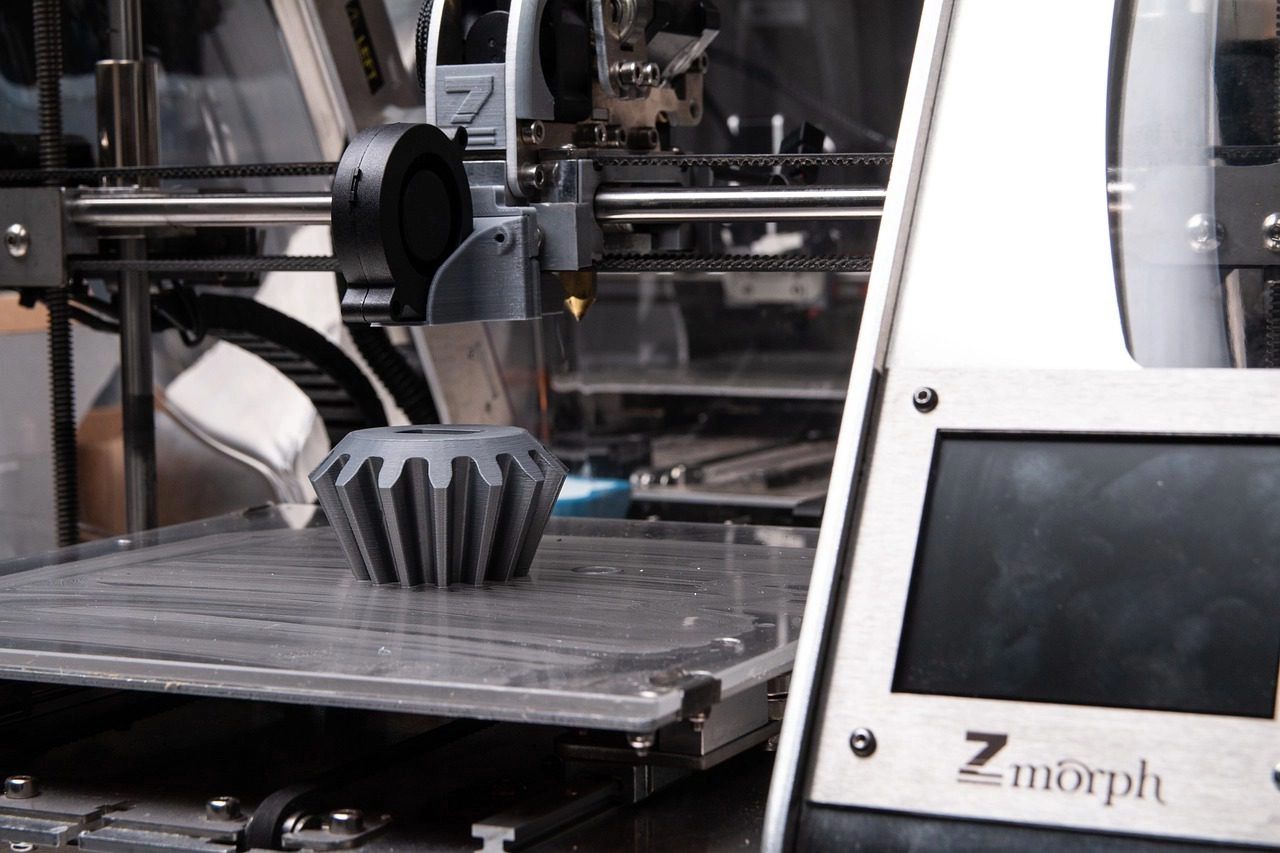
As businesses face the need for more agile, cost-effective, and scalable solutions to remain competitive, 3D printing has emerged as a leading technology to meet these demands. This discussion explores the transformative power of 3D printing, particularly focusing on Selective Laser Sintering (SLS), detailing its capabilities and how it can revolutionize design efficiency and manufacturing flexibility for professionals across various industries.
Understanding Additive Manufacturing
Before delving into its advantages, it’s essential to grasp what 3D printing, or additive manufacturing, entails. This innovative process creates objects layer by layer from digital models, contrasting with traditional manufacturing methods that often involve subtractive techniques. 3D printing facilitates rapid prototyping and allows for complex designs without incurring additional costs associated with traditional tooling. Its digital-first approach enables speedy adjustments to designs, driving a more agile development process.
The Power of Selective Laser Sintering (SLS)
Among various 3D printing techniques, Selective Laser Sintering stands out as a production-ready method. Utilizing a high-powered laser, SLS fuses powdered materials—primarily polymers—into solid components, eliminating the need for support structures. This absence of support not only allows for intricate designs but also optimizes material usage. SLS is celebrated for producing durable parts suitable for both prototyping and end-use applications, featuring high dimensional accuracy and mechanical resilience, making it a preferred choice in sectors like aerospace, automotive, healthcare, and consumer goods.
Driving Efficiency and Flexibility with SLS
The advantages of SLS extend beyond technical specifications. By removing the necessity of tooling, the technology significantly reduces lead times and lowers upfront costs, allowing for a transition from design to production in a matter of days rather than weeks. It also supports batch production without the economic limitations typical of conventional manufacturing, promoting mass customization, rapid iteration, and just-in-time manufacturing—an essential capability in the current marketplace. SLS empowers designers to focus on enhancing part functionality instead of manufacturability, facilitating lighter components, fewer parts, and integrated features, all while preserving structural integrity.
The Integrated Digital Ecosystem
Efficiency in SLS is enhanced by a broader digital ecosystem involving cloud-based CAD tools, simulation software, and automated quality systems, leading to a more cohesive workflow. Practices like Design for Additive Manufacturing (DfAM) encourage teams to innovate beyond traditional boundaries, promoting sustainability and efficiency in designs. This alignment fosters quicker market entry, improved product performance, and waste reduction, providing invaluable flexibility for companies optimizing supply chains or adopting just-in-time strategies.
Implementing SLS: A Phased Approach
Organizations interested in adopting SLS should consider a structured implementation approach to maximize its benefits. Initiating internal prototyping to assess material and mechanical properties of SLS-printed parts is advisable. Engaging design teams in DfAM training will enable them to exploit the technology’s full potential. Collaborating with seasoned additive manufacturing partners aids in scaling production while ensuring quality. Integrating additive manufacturing within digital transformation initiatives will align it with broader business goals. As the technology advances, early adopters of SLS are likely to gain competitive advantages in their industries.
Summing Up
In summary, the synergy between 3D printing and design efficiency signifies a significant shift in the manufacturing landscape. Selective Laser Sintering merges digital design flexibility with robust manufacturing capabilities. By leveraging SLS’s advantages, manufacturers can expedite product launches, reduce expenses, and adapt swiftly to consumer needs. As we continue to redefine design and engineering possibilities, SLS is set to play a pivotal role in the future of manufacturing excellence.
For more information on the topic, you can read about 3D printing.