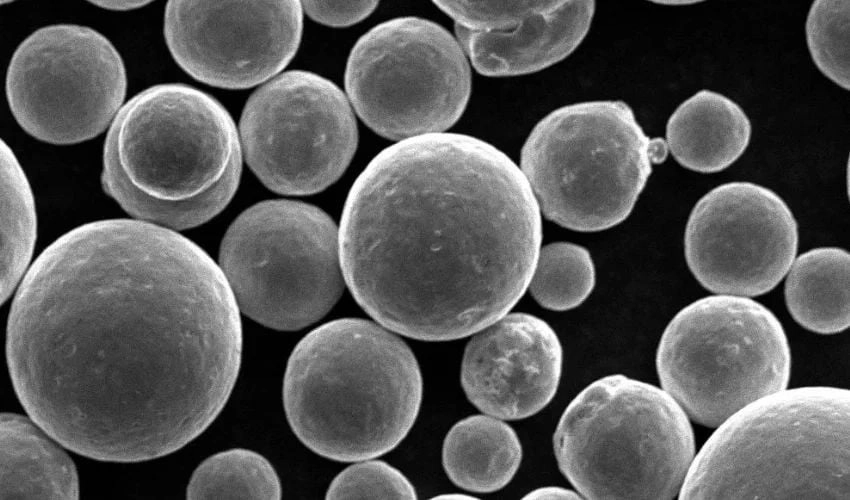
Researchers at Washington State University have innovatively harnessed artificial intelligence to enhance the 3D printing process for a challenging metal alloy known as GRCop-42. This alloy, initially developed by NASA, consists of copper, chromium, and niobium, making it suitable for high-performance components in combustion devices due to its excellent fatigue strength, high thermal conductivity, and exceptional creep resistance. However, the alloy’s 3D printing has traditionally posed challenges, requiring specialized equipment and high laser power.
To address these obstacles, the Washington State University team turned to AI to efficiently explore various print settings. In their experiments, they began with 37 previously failed attempts and created a predictive model to streamline the selection of settings. Over a period of three months, they conducted 40 additional experiments, ultimately identifying six effective settings capable of printing GRCop-42 with just 500 watts of laser power.
This breakthrough significantly reduces the energy required for printing and renders the alloy more accessible to a wider range of laboratories and industries, moving away from reliance on expensive, heavy equipment. The study highlights AI’s transformative potential in the field of additive manufacturing, particularly in optimizing material properties for practical applications.
For more detailed insights, refer to the press release about the research here.