As 3D printing technology progresses and becomes more affordable, researchers are revisiting previous concepts to see if they can now be realized. A notable example is the development of a three-sided zipper by a team at MIT’s Computer Science and Artificial Intelligence Laboratory (CSAIL), based on a concept by Professor William Freeman from 1985.
Freeman proposed the idea of a three-sided zipper, which could allow materials to transition from flexible to rigid states by taking advantage of the structural integrity of a triangular shape. This innovation aimed to facilitate easier packing and transport of items. Although Freeman patented the design, it remained unutilized for decades until advances in 3D printing made its realization feasible.
The MIT team harnessed 3D printing to create customizable plastic zippers, proving their versatility for various applications, from camping gear to medical devices. They showcased several prototypes, including a collapsible tent that utilized 3D zippers instead of traditional poles. The tent significantly cut down assembly time, taking just over a minute to set up, a stark contrast to the six minutes required for conventional tents. This design could also be advantageous for rescue missions due to its rapid deployment capabilities.
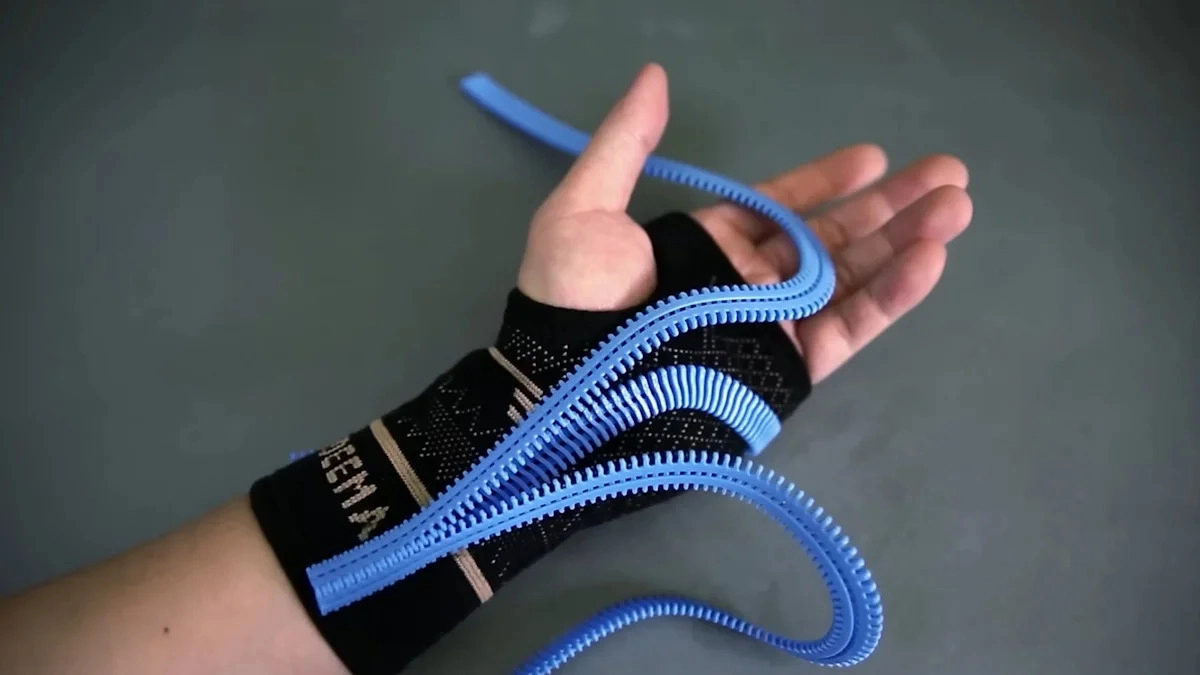
Another prototype featured a robot that adjusted the length of its legs using zipped segments, enhancing its ability to navigate obstacles. A wrist cast prototype illustrated the practical use of 3D zippers, allowing for adjustable protection and mobility.
Durability is critical for the zippers, and tests indicated they could withstand approximately 18,000 cycles of use. The research demonstrated that while both PLA and TPU materials had their strengths, PLA proved to be more robust, whereas TPU offered greater flexibility.
The team continues to explore various applications for their design, considering uses that range from scientific equipment on spacecraft to additional wearable technology. Thanks to modern 3D printing, Freeman’s innovative concept is being transformed into practical solutions that have the potential to benefit various fields in the future.