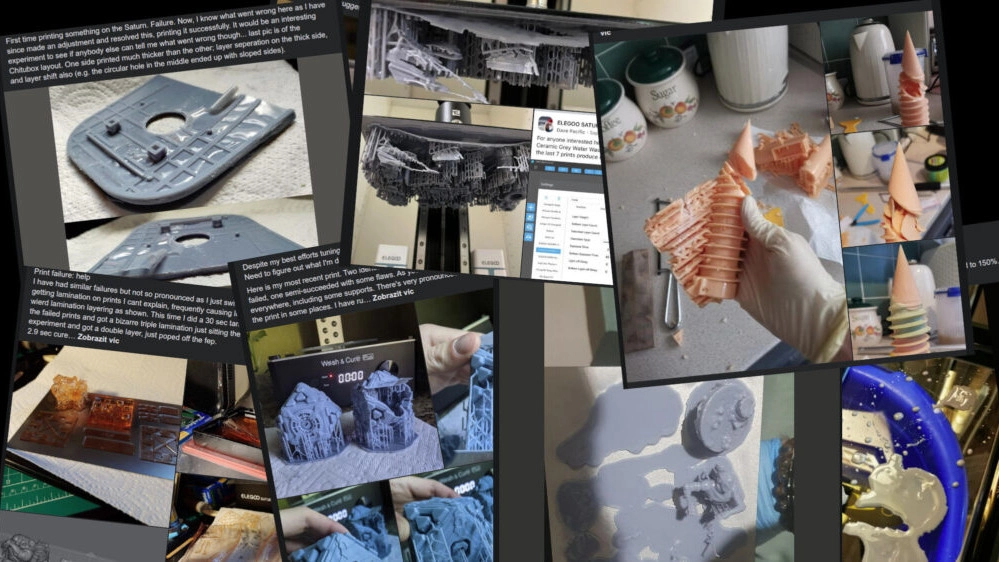
As winter sets in, many users of resin 3D printers notice an increase in print failures. This is particularly common for printers located in unheated spaces like garages or basements. Jan Mrázek has shared practical advice to help improve print quality during colder months, focusing on common failure causes and solutions to enhance resilience.
Central to improving winter prints is maintaining a consistent resin temperature, ideally between 22°C and 30°C. Since many older hobbyist resin printers lack built-in heaters, users might consider solutions such as a resin heater or DIY modifications to keep the resin warm.
Moreover, adjusting layer formation can significantly aid adhesion and reduce blooming—a texture caused by improper curing. Implementing rest times between layers allows the resin to settle and cure more effectively, despite being a longer process. Finding the optimal rest time is key, and users should experiment to see what settings work best for their particular setups.
Too often, the community leans towards increasing exposure times or blaming the build plate for failures. However, Mrázek emphasizes that environmental changes are often the main culprits, highlighting the need for better printer optimization to ensure consistent results.
For more in-depth tips and techniques on enhancing your resin 3D printing during winter, check out Jan Mrázek’s article.