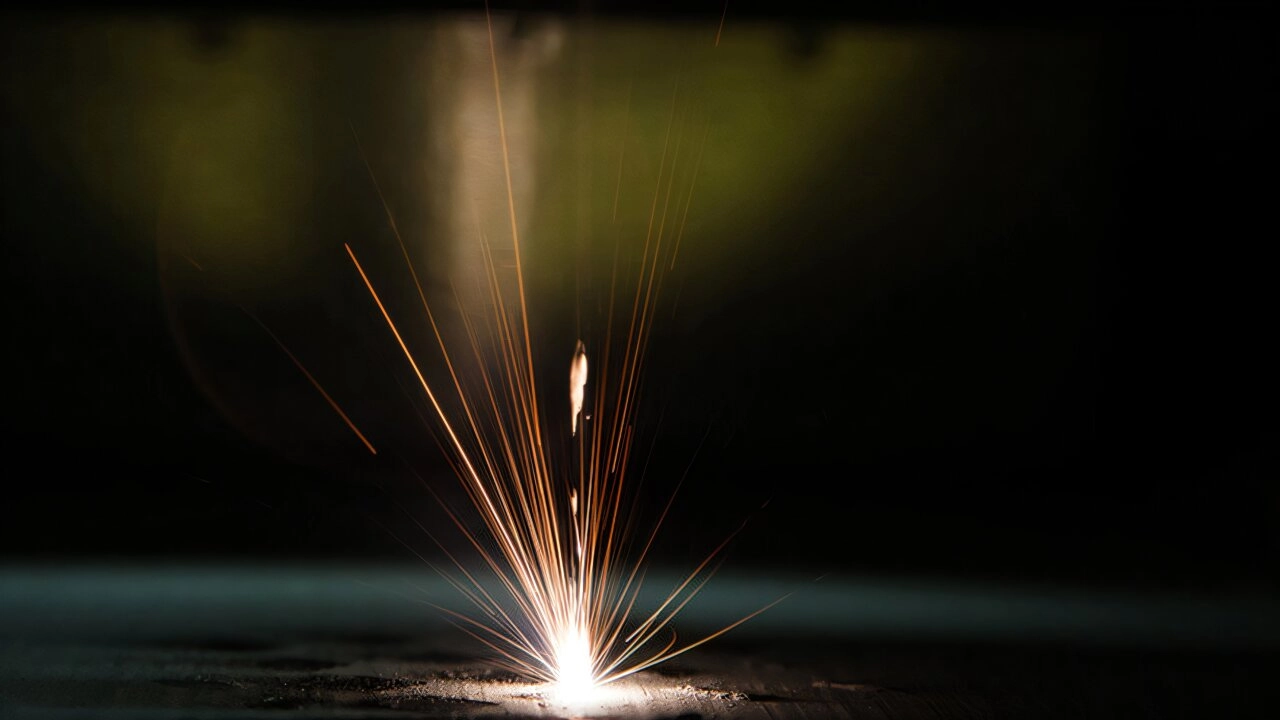
With the potential to revolutionize manufacturing, metal additive manufacturing (AM) allows for the production of complex metal structures. However, a lack of reliable performance data has hindered its widespread acceptance. Researchers at Lawrence Livermore National Laboratory (LLNL) are addressing this gap through the development of advanced nondestructive evaluation (NDE) techniques. These methods aim to provide real-time insights into the material behavior during the 3D printing process, crucial for ensuring part quality.
David Stobbe, leader of the NDE ultrasonics and sensors group, emphasizes the importance of NDE in advocating for metal AM’s use in critical applications across various sectors, including aerospace and energy. Effective monitoring of processes during printing is essential, as metal structures are heavily influenced by heat, causing potential defects and inconsistencies.
Current NDE techniques, such as X-rays and ultrasound, typically struggle with the thermal changes that occur during printing. However, Saptarshi Mukherjee and his team are pioneering the use of eddy currents to detect internal temperature variations during the metal printing process. Their research has validated this approach, showing promising results with minimal experimentation.
Joe Tringe, the NDE group leader, initiated the journey into this field in 2018, guiding the research towards using technologies like electrical resistance tomography and high-speed X-ray imaging to capture detailed internal processes. This multi-method approach aids in the development of machine learning algorithms that could lead to real-time monitoring of metal AM processes.
The hope is that enhancing our understanding of these internal dynamics will lead to improved quality control and a broader acceptance of metal additive manufacturing. This is a crucial step in advancing modern manufacturing techniques, with promising future implications for various industries.
More information: In-situ 3D temperature field modeling