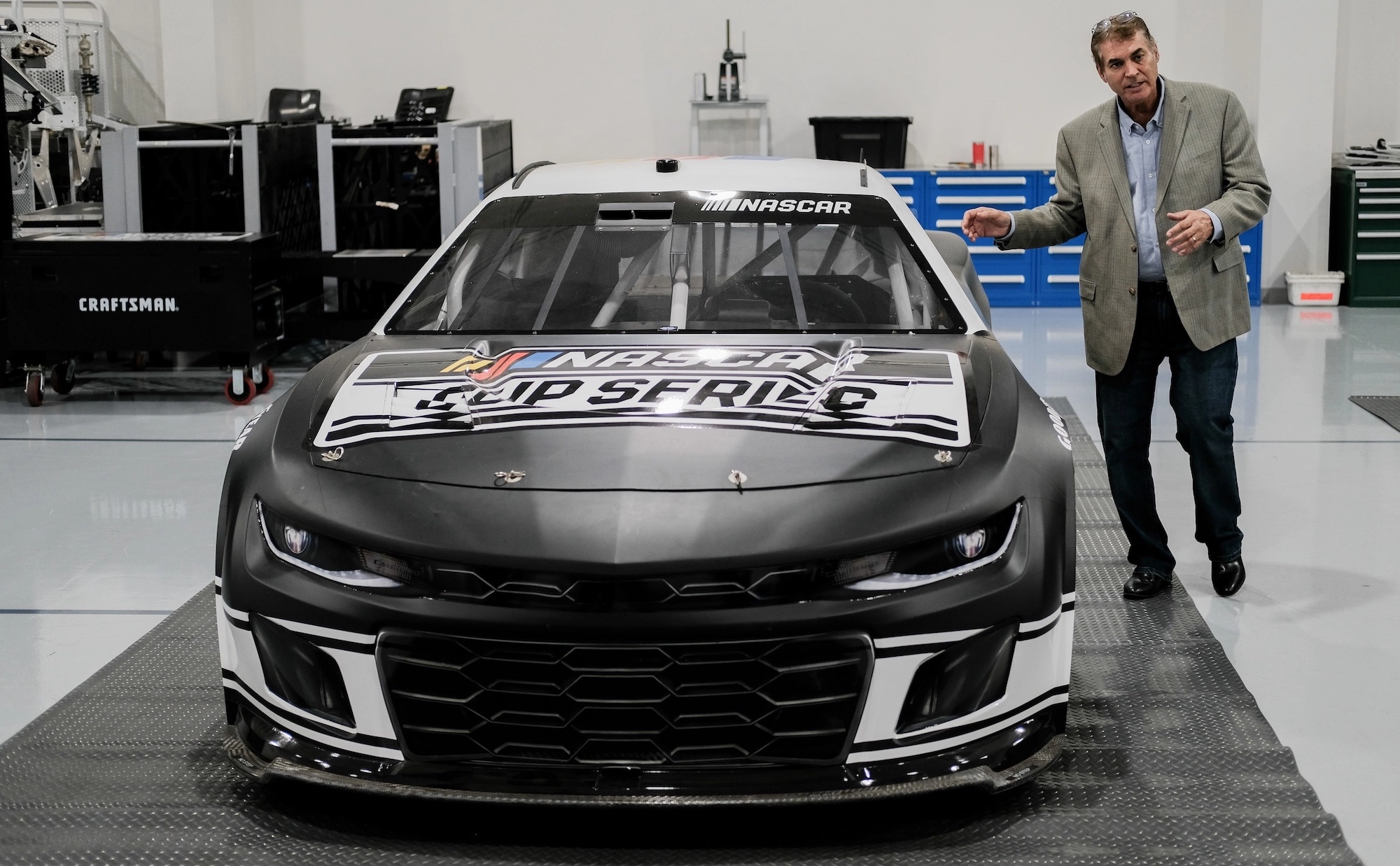
In 2021, NASCAR introduced its Next Gen platform, which implemented several rule changes aimed at reducing costs and enhancing competition. The new design features fully symmetrical vehicles and composite body panels, aligning them more closely with the street versions of popular models like the Chevrolet Camaro, Ford Mustang, and Toyota TRD Camry.
One major innovation in this new era is the use of 3D-printed parts, which has proven essential for teams looking to gain competitive advantages. Stratasys, a leading company in "additive manufacturing," provides this service. Unlike traditional manufacturing methods, such as CNC (computer numerically controlled) machining, additive manufacturing allows for greater design complexity without escalating costs or production time.
Stratasys, headquartered in Minnesota, utilizes industrial-grade printers that range from $20,000 to $600,000. These advanced machines produce components like ducts, brackets, and covers tailored to meet specific driver needs, and they can even adapt to design flaws encountered during race preparation. For example, if a tube doesn’t fit correctly, Stratasys can quickly print a custom fixture to address the issue, which saves both time and materials.
This rapid turnaround on parts is essential, as teams often face tight schedules and need components swiftly—something that traditional methods cannot compete with. Notably, many of the 3D-printed parts are critical to managing airflow within the vehicles. Efficient air flow is crucial for engine cooling, aerodynamic performance, and driver comfort during races.
Stratasys has consolidated its role in NASCAR by renewing its long-term partnership with Joe Gibbs Racing, officially becoming NASCAR’s 3D Printing Partner. The advancements in material strength and heat resistance over recent years have significantly improved the utility of 3D-printed parts, making them a vital component in maintaining race competitiveness.
Going forward, the focus is on increasing throughput—that is, the speed at which a printer can produce parts without sacrificing accuracy or performance. As the demand for rapid prototyping rises, Stratasys aims to enhance its printing efficiency to meet the needs of the racing industry and beyond.