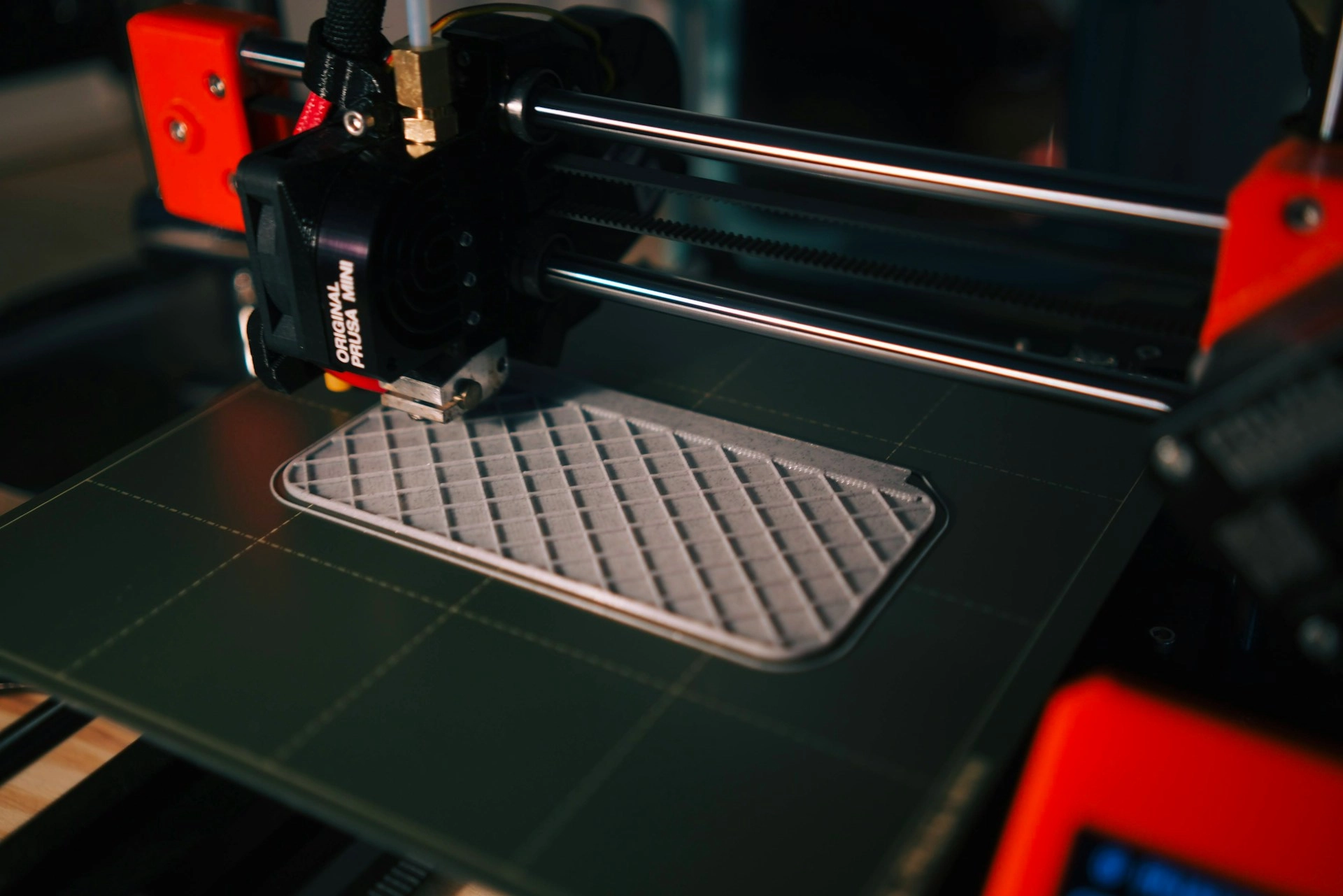
The evolution of 3D printing is transforming various industries, and interior design is no exception. Once seen as a futuristic idea, 3D-printed furniture and home decor are becoming mainstream, providing homeowners and designers with innovative ways to achieve customization, sustainability, and affordability.
Understanding 3D Printing in Furniture Design
What is 3D-Printed Furniture?
3D-printed furniture is produced using additive manufacturing, where layers of material are incrementally built up to create three-dimensional objects. This technology enables complex and detailed designs that traditional manufacturing methods can’t easily replicate.
Common materials in 3D printing furniture include:
- Plastic & Resin: Lightweight and decorative.
- Wood Filament: Composed of wood particles mixed with plastic for a natural look.
- Metal & Concrete: Used for strength and durability.
How the Process Works
The typical process of creating 3D-printed furniture involves:
- Digital Modeling: Designers create a 3D model using CAD (Computer-Aided Design) software.
- Material Selection: Choosing materials based on durability, strength, and aesthetics.
- Printing & Post-Processing: The printer constructs the object layer by layer, followed by activities like sanding and painting.
This approach allows for remarkable creativity in furniture design compared to traditional methods.
The Benefits of 3D Printing in Furniture & Home Decor
1. Unmatched Customization & Personalization
3D printing facilitates the creation of custom furniture tailored to individual tastes and space requirements. This allows homeowners to design pieces that fit perfectly in their homes.
2. Sustainable & Eco-Friendly Innovation
Sustainability is a key component of 3D-printed furniture. This technology offers:
- Reduced material waste, as it utilizes only the amounts needed.
- The use of recycled materials like biodegradable plastics.
- Lower carbon footprints, thanks to local production, which cuts down on transportation emissions.
3. Cost-Effective & Faster Production
By eliminating the need for mass production, warehousing, and high labor costs, 3D printing makes furniture more affordable to produce. On-demand printing leads to quick manufacturing, reducing wait times for consumers.
4. Enhanced Structural Integrity & Durability
Advancements in materials have made 3D-printed furniture robust enough for regular use. Contemporary designs often surpass their traditionally manufactured counterparts in strength while remaining lightweight.
Real-World Applications of 3D Printing in Home Furnishings
1. 3D-Printed Chairs & Tables
Designers are exploring ergonomic and artistic forms of furniture. Notable examples include:
- The Rise Chair by Patrick Jouin featuring an intricate design.
- The BigRep One Chair, a fully functional 3D-printed chair.
2. 3D-Printed Home Decor Items
From vases and lamps to sculptures, 3D printing creates unique decor pieces that provide personalized aesthetics for living spaces.
3. Modular & Multi-Functional Furniture
With limited living spaces, the demand is growing for 3D-printed folding chairs and custom shelving units that enhance utility without compromising style.
4. Large-Scale 3D-Printed Home Structures
Companies like ICON and Apis Cor are printing entire homes, significantly cutting construction waste, labor costs, and time, all while ensuring durability.
5. 3D Printing in Repair & Restoration
The technology also aids in the repair sector, enabling replacement parts for damaged furniture. For instance, gaming enthusiasts can now find durable replacement parts for controllers through 3D printing services.
Challenges & Limitations of 3D-Printed Furniture
1. Material Limitations
Despite advancements, certain materials still fall short in terms of strength and flexibility for long-term use.
2. High Initial Investment in Technology
The cost of high-quality 3D printers remains a barrier, hindering access for smaller businesses.
3. Design Complexity & Printing Time
While 3D printing allows for intricate designs, complex structures may require extended printing times, alongside post-processing that can delay production.
4. Consumer Acceptance & Market Adoption
Some consumers remain hesitant to embrace 3D-printed furniture due to durability and aesthetic concerns. Increasing awareness and innovation will help alleviate these doubts.
The Future of 3D Printing in Furniture & Home Decor
1. AI-Integrated 3D Printing for Smart Home Design
Future advancements may include AI-driven design suggestions that optimize functionality and aesthetics.
2. Advancements in Sustainable Materials
Continuous innovation in material science is expected to yield stronger, eco-friendly 3D printing materials.
3. Mass Adoption & Retail Integration
Major furniture retailers are beginning to integrate 3D printing, creating opportunities for sustainable and customizable offerings.
4. Potential for DIY & Home-Based 3D Printing
As the cost of 3D printers decreases, more homeowners may create their own furniture, altering the approach to home decor and design.
Conclusion
3D printing is revolutionizing furniture design, offering vast possibilities for customization, sustainability, and affordability. Though challenges like material limitations and production costs persist, the rapid evolution of this technology indicates a bright future for the industry. As innovation continues to shape infrastructure in this domain, both homeowners and designers can look forward to a new era where furniture is as unique as its users.