Automotive Original Equipment Manufacturers (OEMs) are increasingly pressured to enhance their supply chains, focusing on cost reduction, efficiency, and environmental sustainability. Traditional centralized inventory models contribute to high storage costs and emissions from transportation. To address these challenges, some innovative OEMs are adopting digital inventories and automotive 3D printing, which allows for printing spare parts on demand and locally, thus reducing logistical hurdles and supporting sustainability targets.
The digital inventory model enables parts to be maintained in a virtual format until required. This system overcomes the limitations of traditional physical inventories, significantly reducing lead times and storage costs. By utilizing localized 3D printing, OEMs can mitigate risks associated with global supply chain interruptions, allowing for on-site production, which enhances resilience to geopolitical and environmental issues.
The environmental implications of this transformation are noteworthy. by reducing the need for transportation and minimizing production waste, the combination of digital inventories and 3D printing fosters a more sustainable supply chain. Companies like Auto Additive and Würth Additive are pioneers in this space, and Autentica is emerging as a significant player by facilitating the transition to digital inventories for automotive OEMs through a secure platform that integrates blockchain and non-fungible tokens (NFTs). This advanced approach allows OEMs to safeguard and track their digital assets.
Autentica’s CEO, Irma Gilbert, emphasizes the inefficiencies of traditional inventory models from her own experiences, which motivated her to create a better solution. Her company’s use of NFTs to secure CAD files allows for safe distribution of digital blueprints, ensuring that they are used appropriately by approved service providers. Gilbert acknowledges the industry’s challenges in shifting from old manufacturing mindsets but notes that early adopters in automotive are already experiencing operational advancements.
However, the rise of digital inventories and 3D printing in auto repairs brings regulatory and safety concerns. A recent report highlighted the demand for a governing authority to establish safety and quality standards for 3D-printed components, which is critical for ensuring that parts meet the necessary quality required for automotive repairs.
Insurance companies also need to adapt to this new landscape. While the ability to produce parts on-demand can reduce downtime and rental costs, there is a risk that substandard 3D-printed parts may lead to accidents, resulting in higher claims costs for insurers. This balance between operational efficiency and safety underscores the need for strict quality controls.
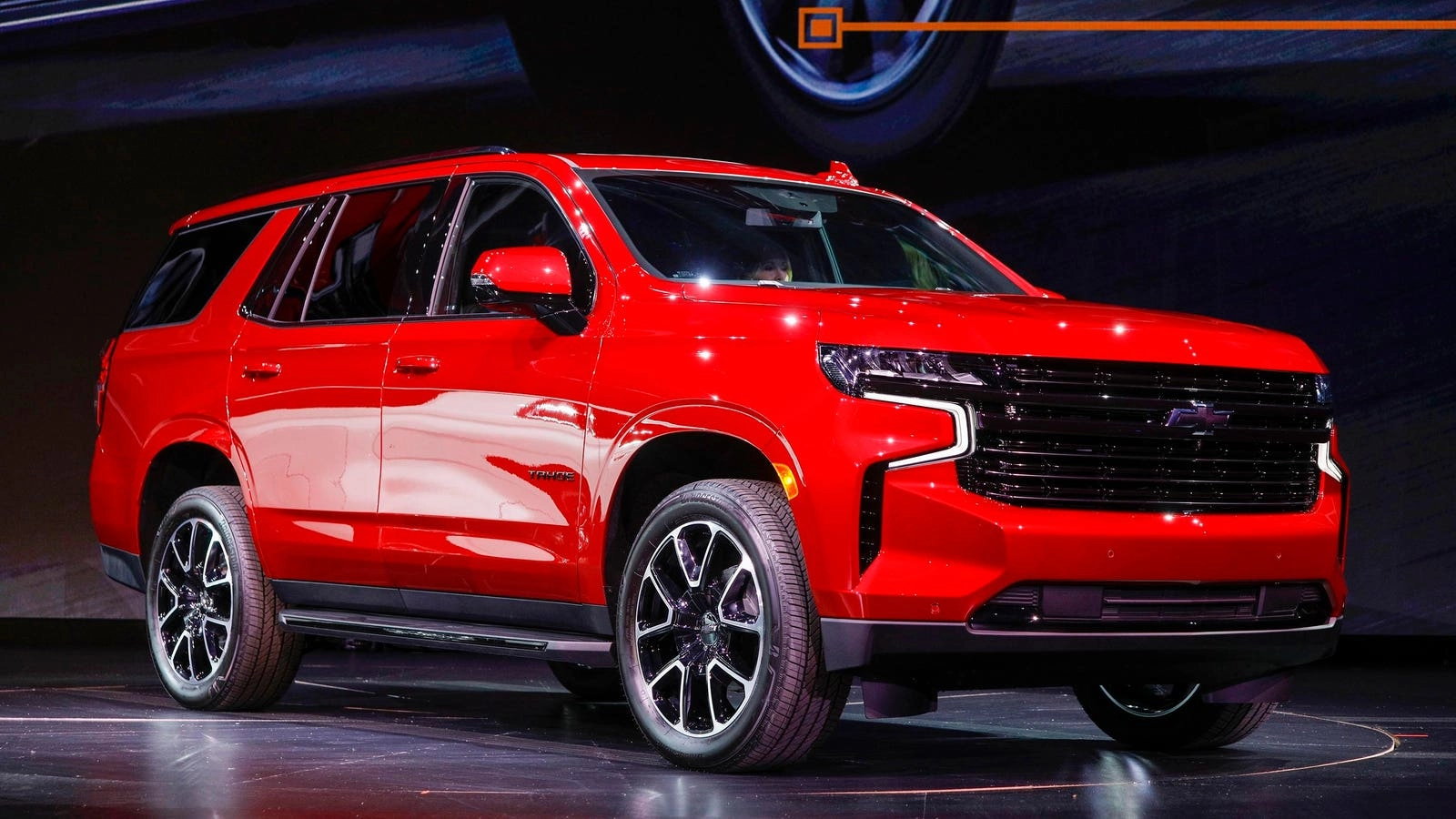
A notable example of the effectiveness of automotive 3D printing is General Motors’ (GM) response to a last-minute design change for the Chevrolet Tahoe in 2022. Faced with a critical need for an additional component, GM utilized HP’s Multi Jet Fusion technology, enabling the production of 60,000 parts within five weeks, thus avoiding costly delays.
As digital inventories and 3D printing grow within automotive operations, the promise of improved production flexibility, cost savings, and sustainability becomes evident. Autentica’s innovative solutions are being recognized not only in automotive but also in aerospace and defense, indicating the potential for a broader impact across various industries.
The future of automotive 3D printing with digital inventories is promising, as OEMs are positioned to exploit the benefits of flexible, localized production. This approach aligns with sustainable manufacturing goals while meeting the evolving demands of the marketplace. As the industry continues to embrace these technologies, companies like Autentica are setting a precedent for a more efficient and resilient automotive manufacturing landscape.