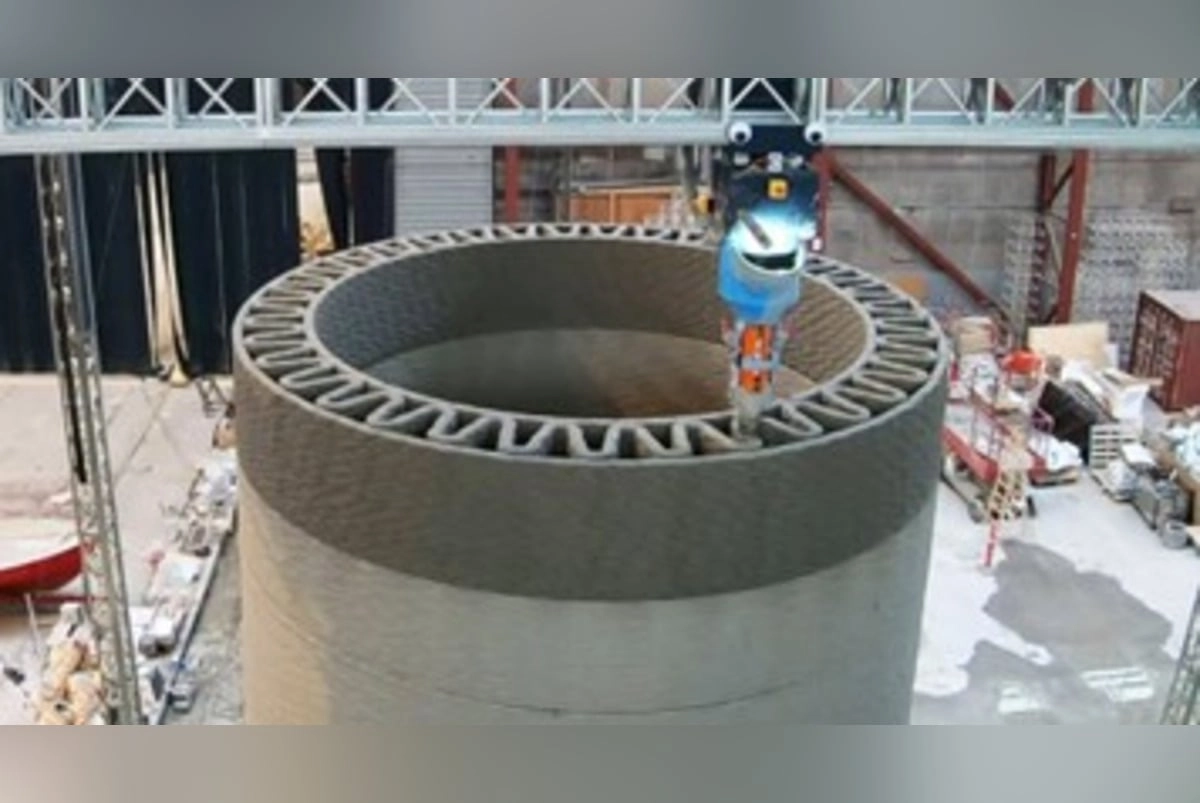
A Sacramento family has successfully built the city’s first permitted 3D-printed home in their backyard. This innovative structure, made from concrete, was constructed using a robotic printer that applies layers of a cement mix to form the walls and foundation, diverging from traditional wood framing techniques. The project passed city inspections and is viewed as a significant advancement in automated construction within the region.
The construction took place in a neighborhood in northern Sacramento, where crews utilized a high-tech printer to carefully create the home’s exterior shell. This method has been highlighted for its potential to reduce construction time and overall labor costs.
The homeowners spearheaded the project themselves and obtained the necessary city permit, allowing for this officially recognized experiment in 3D printing. As a result, this initiative has moved beyond merely showcasing technology; it serves as a milestone in Sacramento’s construction landscape.
Permitting for such projects is guided by California’s building code revisions, specifically Appendix AW, which delineates the design, testing, and inspection protocols for 3D-printed buildings. Local authorities require thorough documentation, including initial inspections and print logs, to ensure the printing system operates reliably.
This backyard project comes on the heels of several pilot initiatives around Sacramento aimed at exploring the feasibility of 3D-printed housing. Local governmental agencies have increasingly regarded these trials as viable solutions for creating faster and potentially more affordable housing options.
Builders involved in the project emphasize that the introduction of 3D printing technology does not eliminate jobs in construction; rather, it transforms the nature of the workforce, embracing a new generation of tech-savvy professionals. Traditional trades will still be necessary for essential tasks such as plumbing, electrical installations, and interior finishes, which comprise a significant portion of project costs.
Ultimately, as more homeowners and contractors adapt to this method, the successful completion of this 3D-printed home could pave the way for its broader acceptance in building practices throughout Sacramento and surrounding areas.