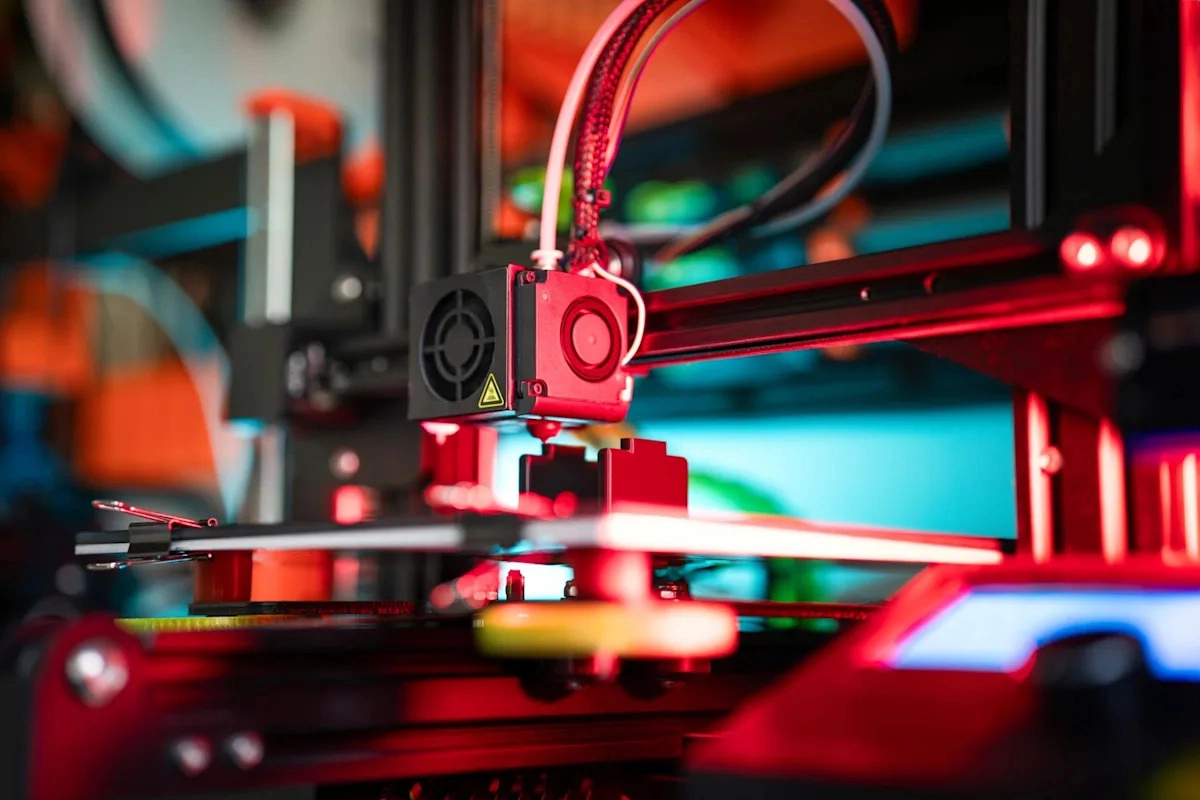
Researchers at MIT have recently made strides in addressing the significant issue of food waste in the U.S. by creating an innovative 3D printer that recycles food scraps into useful household items. On average, American households waste approximately $1,500 worth of food annually, contributing significantly to pollution and environmental challenges.
The new 3D printer, named the FOODres.AI Printer, is capable of converting various food waste materials—such as banana peels, coffee grounds, and eggshells—into practical items like coffee mugs, bowls, and coasters. Incorporating AI technology, the printer suggests potential objects to create based on the types of food waste available. By mixing natural additives, it transforms food discarded into a bioplastic paste that can be shaped into the desired items via a heated extruder system.
Birou Cao, one of the designers of the printer, emphasized its user-friendliness, making it accessible to those without prior experience in 3D printing. This accessibility positions the FOODres.AI Printer as a promising solution to combat the global food waste crisis.
The environmental impact of discarded food is staggering; according to the Environmental Protection Agency, food waste is responsible for greenhouse gas emissions equivalent to the annual pollution produced by 42 coal power plants. Moreover, when food waste clogs landfills, it releases harmful methane gas, exacerbating global warming and climate change.
In addition to this 3D printing technology, researchers are exploring various approaches to mitigate food waste, including soilless farming and AI-enhanced crop evaluation. The team at MIT plans to conduct real-life tests of the printer in Cambridge, aiming to repurpose food scraps effectively.
Cao highlighted the potential impact of their work, stating that they could save 15 million pounds of food and assist over 2,000 households in need through this initiative. The ability to create custom, functional items from food waste presents a significant step toward sustainable living and environmental responsibility.