Swiss researchers have developed a groundbreaking living battery, composed of two types of fungi and designed to be biodegradable and non-toxic. This innovation comes from the Swiss Federal Laboratories for Materials Science and Technology (EMPA) and aims to harness the power of fungi to transform microbial nutrients into energy.
The project represents a significant advancement in bioenergy, marking the first instance of two fungi being combined to create a functional fuel cell. Unlike traditional batteries, this living battery operates as a fuel cell that utilizes fungal metabolism to generate electricity.
How the Fungal Battery Works
The innovative design features a yeast fungus-based anode, which releases electrons through its metabolic processes. Meanwhile, a white rot fungus colonizes the cathode and produces enzymes necessary for capturing and conducting these electrons.
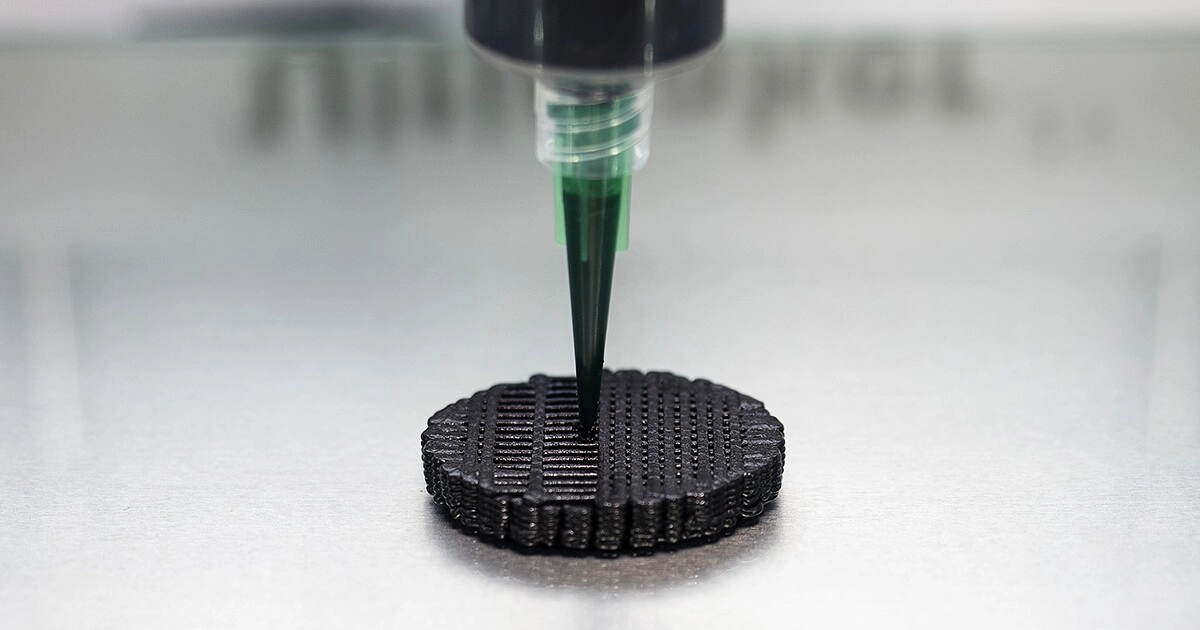
Over three years, researchers developed a way to produce the battery components via 3D printing, using a cellulose-based ink that is conductive yet safe for the fungal cells. This printing medium also serves as a food source for the fungi and is biodegradable, facilitating the breakdown of the battery post-use.
Practical Applications and Future Developments
While these fungal batteries do not yet produce sufficient power for devices like smartphones, they generate between 300 and 600 mV for days, providing 3–20 μA for external loads. Their potential lies in powering small outdoor sensors used for monitoring environmental conditions such as temperature and humidity, particularly in agricultural settings. Encased in beeswax, these batteries safely decompose after their functional life.
Researchers have noted that these batteries can be stored in a dried form and activated on-site by adding water and nutrients, enhancing their practicality in field applications. Although EMPA has not indicated a specific timeline for commercialization, future work involves enhancing the batteries’ efficiency and longevity, possibly by engaging other types of fungi.
For those intrigued by nature-inspired energy solutions, consider exploring solutions such as a recyclable battery made from zinc and crab shells or an edible rechargeable battery made from seaweed.