Chuck Hellebuyck utilized an innovative method to replicate a model car raceway track by scanning the track’s profile with a flatbed scanner and using Tinkercad for post-processing to create a functional cross-section model. This model was extruded in 3D to craft an accurate replica of the original piece. Using a flatbed scanner for tasks other than scanning documents, like capturing mechanical details from PCBs, is a well-known trick.
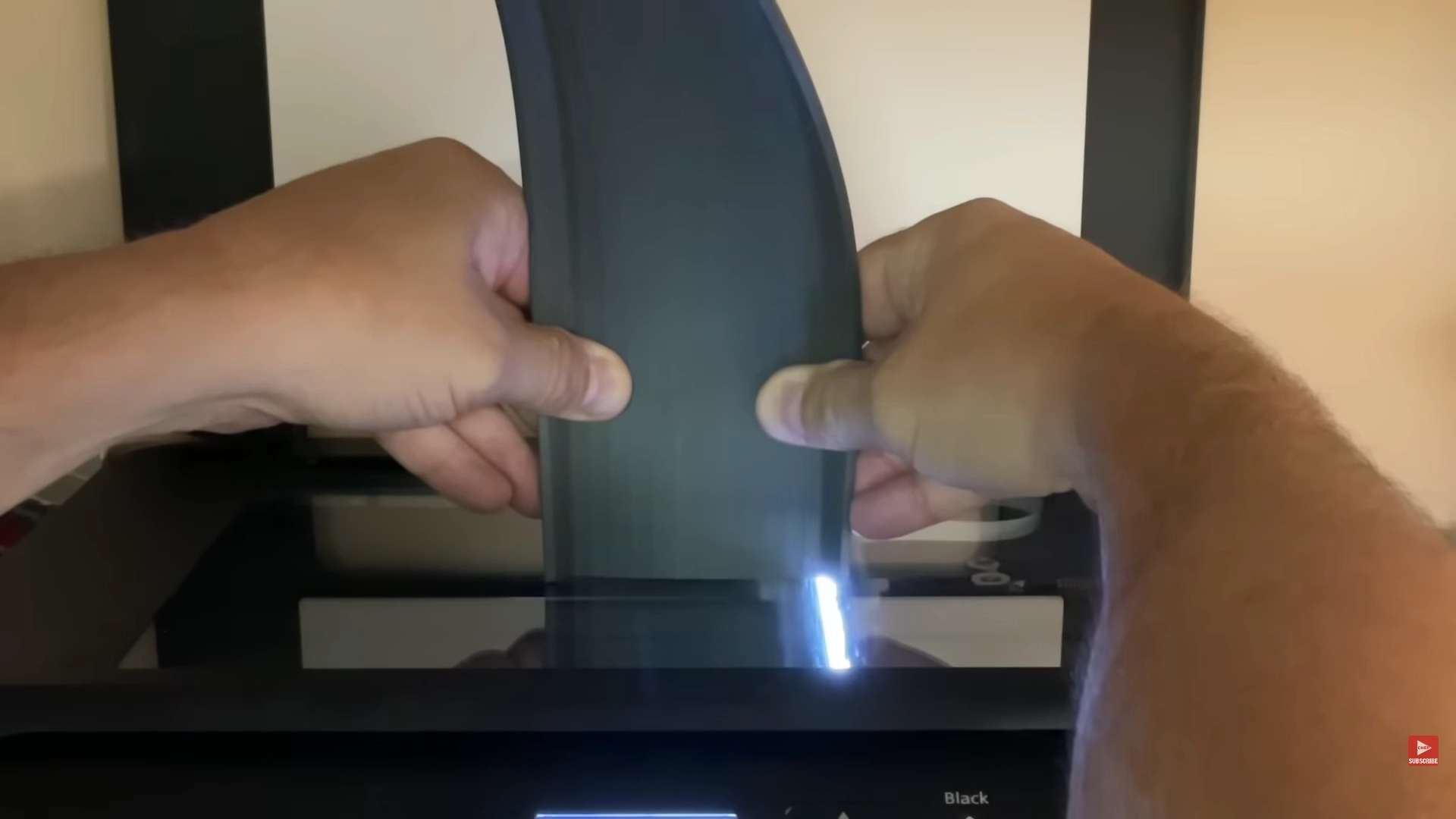
The objective was to build an intricate raceway for his grandchildren, requiring several track pieces, including curved and angled sections for downhill racing. After experimenting with a small test section made of Ninjaflex, Chuck discovered a solution for connecting rigid track segments in curved configurations. The process revealed that modern 3D printers are capable of printing tall, slender track sections vertically with relative ease. This project highlighted the feasibility of merging 3D-printed custom parts with standard components to effortlessly achieve the intended design.
There are numerous flatbed scanner hacks available, ranging from using a scanner to recreate a worn PCB, converting a scanner to scan oversized items, to repurposing a scanner as a linear motion stage for building a UV exposure unit for homemade PCBs.
The success of printing the tracks vertically was impressive, showing that it’s practical to create additional track pieces through 3D printing instead of purchasing more expensive kits.
If you’re planning to use a scanner for purposes other than its intended use, bear in mind that Epson documents the protocols of their hardware.