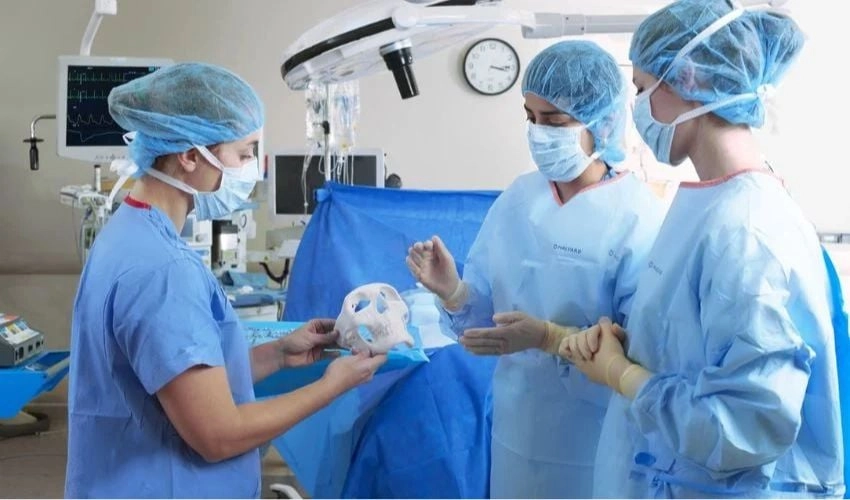
3D printing is increasingly transforming the medical field, particularly within hospital settings. Many institutions are establishing in-house 3D printing facilities to enhance patient care and streamline operations. Here are eight compelling reasons that illustrate the integration of additive manufacturing into hospitals.
1. Personalization of Treatments
One of the most significant benefits of 3D printing in healthcare is the ability to create tailored medical devices and implants according to individual patient anatomy. For instance, hospitals like the AP-HP in France are producing custom titanium skull implants shaped by patient imaging data. Similarly, the Mayo Clinic in the U.S. designs individualized implants for complex cases, enhancing both efficacy and patient satisfaction.
2. Improved Surgical Preparations
3D printing facilitates the creation of custom anatomical models for surgical teams. This enables surgeons to better understand the unique conditions they will face in the operating room. Great Ormond Street Hospital in London produces models of malformed children’s hearts for precise surgical planning, while Cleveland Clinic utilizes kidney models with tumors for surgical preparation.
3. Enhanced Medical Training
Printed anatomical models serve as invaluable educational tools for medical students and residents. This hands-on approach allows them to practice surgical techniques safely, thereby enhancing their skills and confidence as future healthcare professionals.
4. Patient Reassurance
3D models help patients visualize their conditions and related surgical procedures, fostering better communication between health professionals and patients. This is particularly beneficial in pediatrics, where hospitals may create comforting models or figurines related to the patient’s situation.
5. Reduced Surgical Times and Recovery Periods
Integrating 3D printing technology can shorten both surgery duration and recovery times. As healthcare providers become better prepared, they tend to operate more efficiently, leading to shorter anesthesia times and fewer complications. Studies suggest a reduction in operating times by 10% to 20% thanks to 3D-printed models and guides.
6. On-Demand Manufacturing for Emergencies
With 3D printing, hospitals can produce necessary medical equipment and supplies on demand, reducing reliance on external suppliers. This capability was especially critical during the COVID-19 pandemic when hospitals were able to swiftly manufacture personal protective equipment.
7. Cost Savings
While initial investments in 3D printing technology can be significant, the long-term savings can be substantial. The Mayo Clinic, for example, finds in-house production of certain models is 10% to 50% cheaper than outsourcing, with savings on storage and transportation costs also noted.
8. Support for Innovation and Research
3D printers aid medical professionals in researching and testing new materials or tools. This allows for experimentation and development of innovative solutions directly within the healthcare facility, including advancements in bioprinting and personalized medication production.
In conclusion, the adoption of 3D printing in hospitals represents a paradigm shift towards more personalized, efficient, and innovative healthcare. As this technology evolves, it is poised to become an essential tool for the future of medicine.