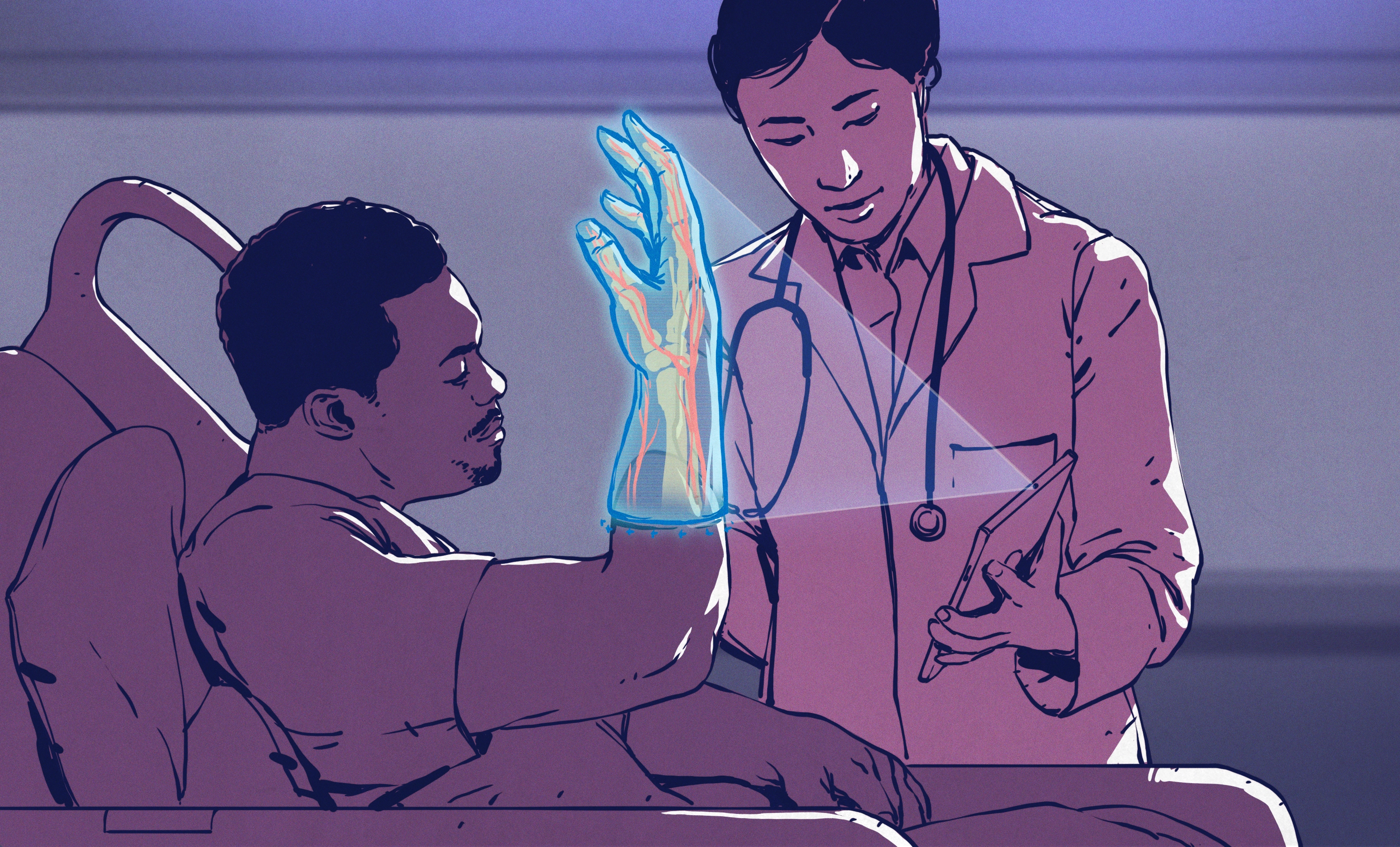
As remarkable as the human body is, it lacks the regenerative abilities of other species, such as the axolotl, which can regrow entire limbs. This limitation has led humanity to create artificial prosthetic limbs to restore some of the lost functionality until advancements in regenerative medicine mature.
Historically, humans have crafted a range of prosthetics, evolving from rudimentary designs to more sophisticated, fully articulated limbs. However, the major drawback remains the high cost of modern prosthetics, which can be prohibitively expensive due to the level of customization required for each individual’s unique injury.
The advent of 3D printing promised a revolution in making affordable, custom prosthetics a reality. Unfortunately, various barriers have hindered those expectations, and it remains uncertain whether 3D printing can significantly reduce costs or enhance the comfort and function of prosthetics.
What’s In A Prosthetic
Prosthetics are designed based on the specific limb affected and the extent of the loss. Archaeological records reveal that prosthetics date back to approximately 3000 BCE in Ancient Egypt, with rudimentary devices like prosthetic toes. More recent examples include metal prosthetics such as the Roman Capua Leg and a wooden leg from a 3rd-century BCE cemetery.
While these early prosthetics provided basic functionalities like standing and walking, true advancements in designed functional prosthetics emerged in the 16th century. Today, technology has advanced dramatically, with 3D printing and myoelectric control—a method that uses electrical signals from muscles to operate motors in prosthetics.
Despite these advancements, the complexities of modern prosthetics—such as cushioning that mimics biological joints—make the expected cost savings from 3D printing less prominent. A well-designed prosthetic limb is far more than a simple structure; it needs intricate mechanisms that offer comfort and usability.
Making It Fit
One critical aspect of a prosthetic limb is how it interfaces with the user’s body, impacting comfort and how long it can be used effectively. Modern designs incorporate synthetics like silicone liners, which replace older materials like wood and leather.
The fitting process starts with a silicone liner, similar to putting on a sock, which serves as a cushioning interface between the limb and the prosthetic. The choice of materials is particularly crucial, and while some companies like Quorum Prosthetics use 3D printing for custom socket fittings, high costs remain an obstacle.
Innovative organizations like Operation Namaste promote lower-tech solutions, using 3D printed molds for medical-grade silicone liners and developing systems that can produce customized prosthetic limbs in a fraction of the time typically required.
Making It Work
Beyond liners and sockets, advanced components like myoelectric control have transformed prosthetics, allowing users to control movement with muscle signals. Researchers are exploring ways to enhance feedback systems, aiming to restore sensations like touch and temperature using nerves that previously operated the natural limb.
As research progresses, the integration of 3D printing may yet streamline the manufacturing of these advanced prosthetics, balancing the need for custom solutions with affordability and accessibility in healthcare.