3D printing is making significant inroads into the automotive industry, paving the way for innovative manufacturing solutions. This technology, which can create parts from digital files, has become increasingly relevant in today’s market, capturing attention for its potential and advancements.
The concept is reminiscent of whimsical ideas from fiction. Just as the Grinch mused about creating his own reindeer, the automotive sector is exploring how to produce components using 3D printing. While the technology itself has been available for some time, its capabilities are rapidly evolving and impacting how cars are designed and built.
In the automotive realm, 3D printing is being utilized primarily with thermoplastic materials, which are layered to build complex objects. This method is familiar to many, with gadgets available for public use in places such as libraries. But its applications are extending beyond small personal items and into the vehicles we drive.
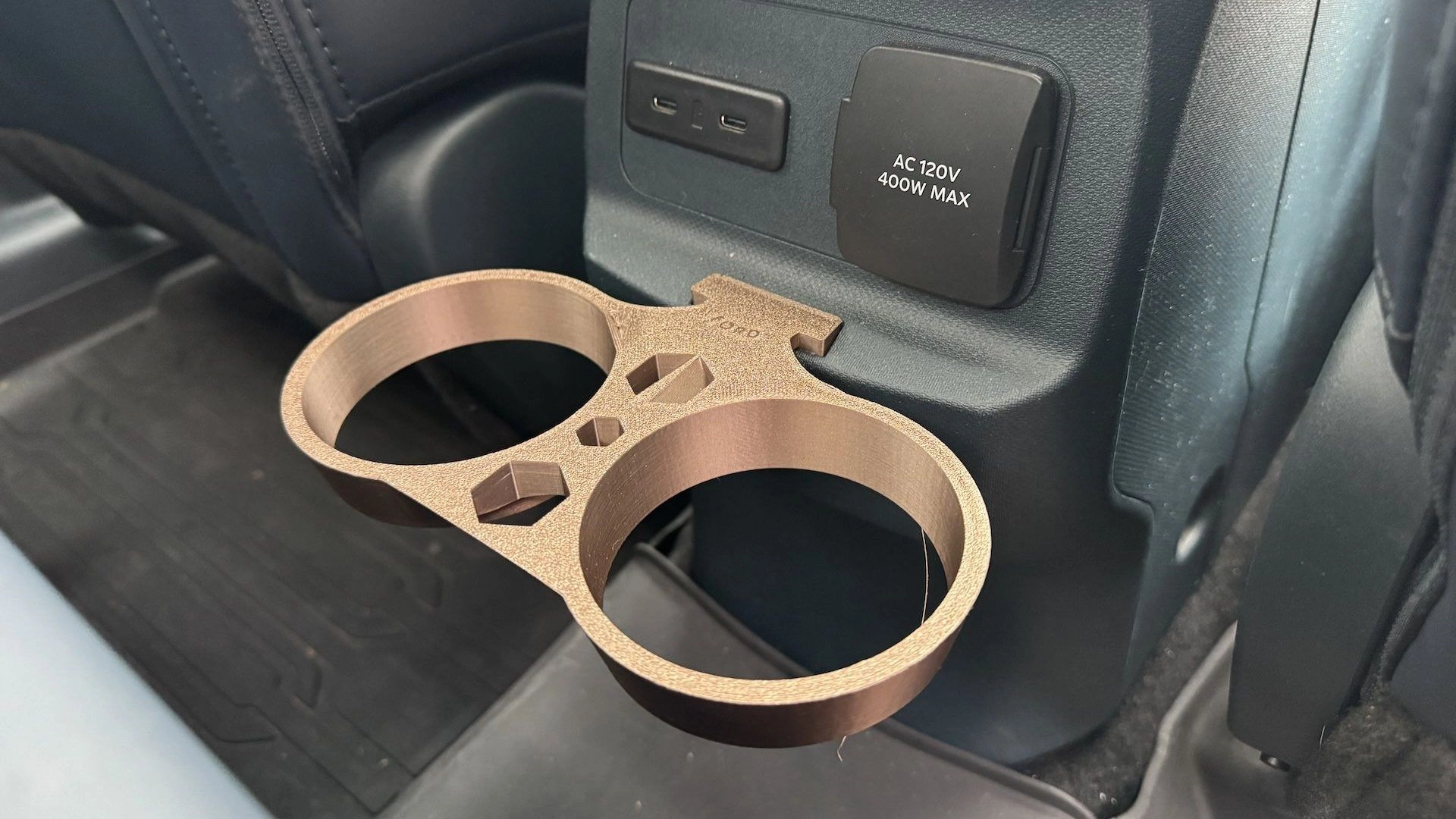
Ford is at the forefront of integrating 3D printing into their operations. For instance, their Maverick pickup truck features the Ford Integrated Tether System (FITS), where owners can custom-3D print accessories that fit into designated slots for enhanced storage. The company generously provides detailed CAD files, allowing users to create their own designs or choose from pre-made options. This not only personalizes the vehicle but also invites creativity among owners.
Moreover, 3D printing offers solutions for sourcing difficult-to-find replacement parts. For example, a 1970 Ford Mustang owner was able to procure a custom marker light through a special printing service, showcasing the practicality of this technology. Even renowned car enthusiasts like Jay Leno employ 3D printing to maintain and fix components for their collection of classic vehicles.
In collision repair, the potential for 3D printing is equally promising. Body shops face long waits for backordered parts, but if 3D printing could be utilized, it could significantly reduce downtime for customers awaiting repairs.
The advancements don’t stop at plastic either. High-end automobile manufacturers like Bugatti are exploring metal 3D printing for creating components, while companies like Nikon SLM focus on integrated metal additive manufacturing solutions. This approach involves slicing part designs into layers and using lasers to fuse them together, allowing for the creation of intricate components that were once impossible to manufacture.
As we look ahead, the question emerges: could 3D printing become the future of automotive manufacturing? With its ability to reduce costs, customize designs, and provide solutions for parts shortages, the technology could play a crucial role in shaping the automotive landscape.