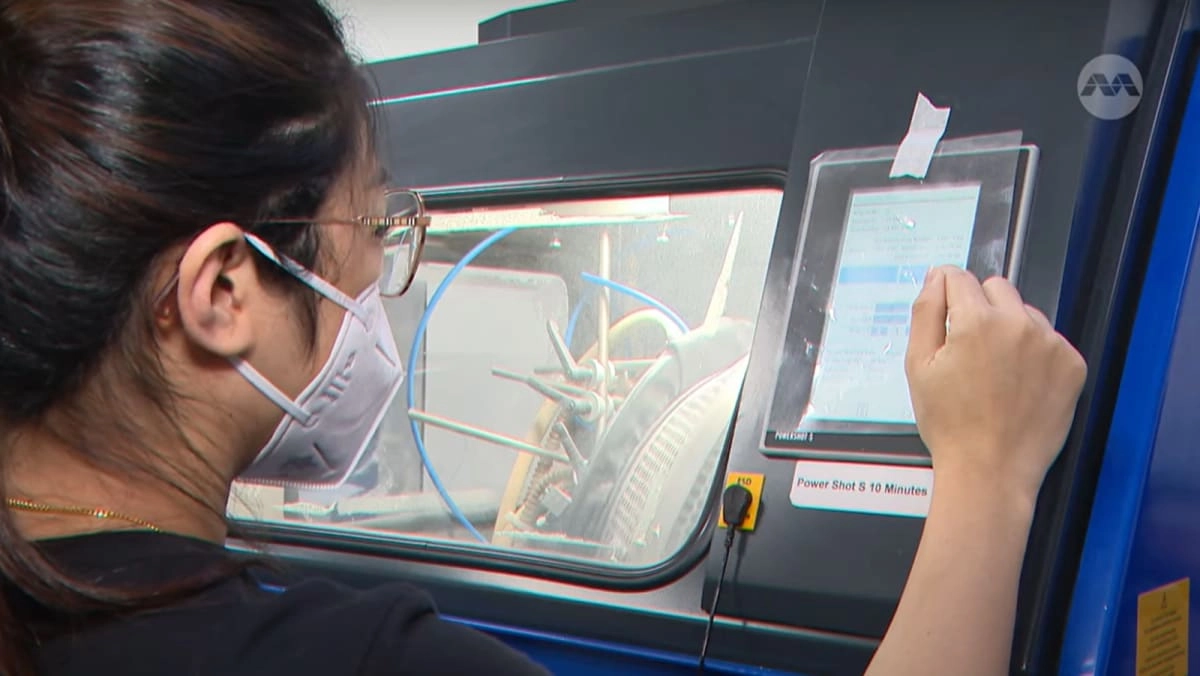
In recent years, 3D printing firms in Singapore have faced increasing requests to produce illegal components, such as gun and vape parts, raising concerns about regulation and safety. Hardik Dobariya, co-founder of the company Factorem, has reported rejecting around 25 orders related to gun parts, primarily over the last year from customers in Singapore and Australia.
The growing prevalence of these requests has been noted by several companies in the sector, with six out of eight firms indicating they have encountered similar demands. Some attempts to obscure the requests include customers dividing gun designs into numerous subcomponents and submitting them separately, complicating detection efforts.
To combat this issue, firms like Zelta3D have implemented due diligence procedures to check file names against known weapon-related terms. However, the increase in inquiries about vape parts has been particularly significant, with one company, 3D Aura, observing a 50% rise over the previous year.
As Singapore tightens its laws on vaping, recent regulations under the Guns, Explosives and Weapons Control Act have made it illegal to possess 3D-printed guns and their components. Despite this, some companies express difficulty in identifying requests that could lead to illegal products, especially with the complexity of distinguishing between harmless accessories and those intended for illicit use.
Law enforcement entities, such as the Singapore Police Force, have highlighted the importance of compliance, but many firms are seeking clearer regulations to help them identify and reject illegal designs proactively. The implementation of AI technology has further simplified the process of designing prohibited items, posing additional challenges for 3D printing businesses as they strive to uphold legal and ethical standards.
As the landscape continues to evolve, the sector remains vigilant, tightening their processes and increasing monitoring measures to prevent illicit manufacturing while navigating the balance between innovation and regulation.