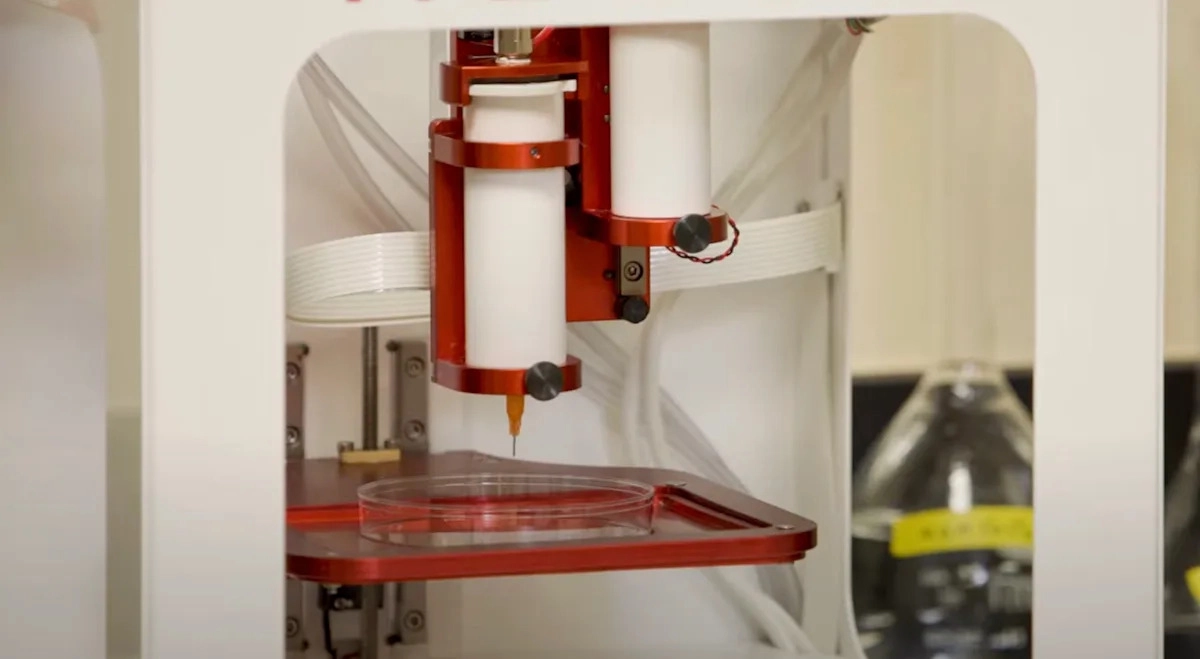
Scientists at the University of Arkansas have made a groundbreaking advancement in 3D printing technology by developing a new "ink" from an ancient grain, sorghum. This innovation utilizes the protein found in sorghum to create a gel-like material suitable for printing, described as having a consistency similar to toothpaste. The team’s objective is to use this bioink for applications in food and medicine, which could pave the way for more sustainable and versatile production methods.
Assistant professor Ali Ubeyitogullari highlighted the novelty of this breakthrough, stating, "What we’ve shown is that sorghum protein can be made into a novel 3D printable gel, which hasn’t been done before." The implication is significant; this bioink could potentially encapsulate medicines or serve as a carrier for essential nutrients in food production.
The versatility of sorghum allows it to thrive in various climate conditions, making it a promising material for sustainable manufacturing. The researchers demonstrated that by mixing 25% sorghum protein with other components, they could successfully print without the material losing its form. The applications for this bioink range from 3D-printed cookies to medically relevant products.
Sorghum is not only a sustainable choice but also boasts several health benefits, including anti-inflammatory properties, lower risks of heart disease, and increased antioxidant levels. The recent work expands on previous applications of sorghum, which has been successfully used to create realistic beef alternatives, protein bars, and various baked goods.
This is not the only innovative 3D printing method being researched. For instance, Steakholder Foods in Israel is working on 3D-printed meat that closely resembles traditional cuts, using lab-grown cells to create products with a significantly reduced environmental impact.
The potential for sorghum in 3D printing represents an exciting intersection of ancient agricultural practices and modern technology, with potential benefits for the food industry and sustainability efforts.