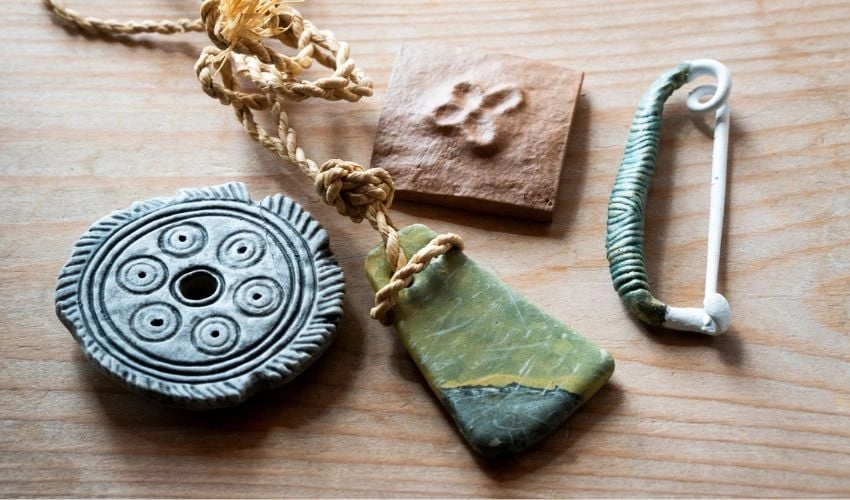
There are numerous applications of additive manufacturing in the art and cultural heritage sector, which have been highlighted through infographics and articles discussing cultural heritage preservation. Recently, Riccardo Bonina, CEO of the Sicilian company Hi.Stories, shared insights into the advantages of 3D printing in this field, focusing on enhancing accessibility to art and heritage.
Hi.Stories Background and Mission
Hi.Stories was established in 2017 after participating in the Cultura Crea initiative that aimed to promote cultural and creative enterprises. The company’s mission is to leverage technology to enhance cultural heritage through interactive experiences in cultural venues. Bonina also mentioned that Hi.Stories will transition to become a benefit corporation, focusing on social impact initiatives that promote the use of digital tools, including 3D printing, to improve accessibility and the cultural experience.
Applications of 3D Printing
Hi.Stories utilizes 3D printing primarily to create tactile pathways for visually impaired individuals, enhancing museum accessibility. These 3D prints, accompanied by Braille labels, allow visually impaired visitors to feel the shapes of artifacts. Additionally, 3D printing is employed to produce educational materials and replicas of important artifacts that might be on temporary loan to other institutions.
Materials and Technologies
The choice of materials for 3D printing at Hi.Stories depends on the specific needs of each project. For detailed exhibits, resin printing is preferred, while extrusion printing is favored for larger pieces where detail is less critical. This flexibility allows the company to adapt to various client requests effectively.
Advantages of Additive Manufacturing
Bonina points out that the speed of producing prototypes is a significant benefit of 3D printing compared to traditional artisanal methods. While 3D printing may not be ideal for mass production, it facilitates the creation of models that design artisans can modify. The ability to recreate artworks from scanned models ensures high fidelity to the originals.
Current and Future Projects
Hi.Stories is currently involved in projects aimed at improving museum accessibility, which is a growing area of demand. Bonina envisions a future where 3D technologies will increasingly be utilized for creating reproductions to improve accessibility and display copies of artifacts while also supporting restoration through cast techniques.
In summary, Bonina emphasizes the craftsmanship involved in creating 3D prints, highlighting the importance of post-processing work to turn printed objects into true works of art. For more information about Hi.Stories, you can visit their website.