Xavi Ildefonso was diligently perfecting the edges of intricately designed titanium lattice cylinders, 3D-printed by PhD candidate Melissa Trask, destined for medical research to aid in jawbone regrowth after surgery. In Dalhousie University’s IDEA Project lab, the pair shared insights on 3D-printing aluminum alloys for a satellite project, demonstrating the collaborative spirit in Halifax’s innovative environment.
While the task may not seem glamorous, it plays a crucial role in ensuring Canada’s defense capabilities, particularly as the engineering department at Dalhousie is engaged in a significant initiative with Defence Research and Development Canada (DRDC) to 3D-print replacement parts for the aging Victoria-class submarines. These submarines, built in the 1980s and acquired secondhand from Britain, are expected to operate until at least 2035 amidst an ongoing procurement program aimed at securing 12 new submarines.
Challenges abound for the navy as many original manufacturers no longer exist, complicating the maintenance of these vessels. With obsolete or lost tooling for certain parts, the quest for spare components has become increasingly difficult and costly. Cameron Munro, a defense scientist at DRDC, emphasized that maintaining equipment beyond its original design lifespan is key to avoiding delays and excess expenses in custom replacements.
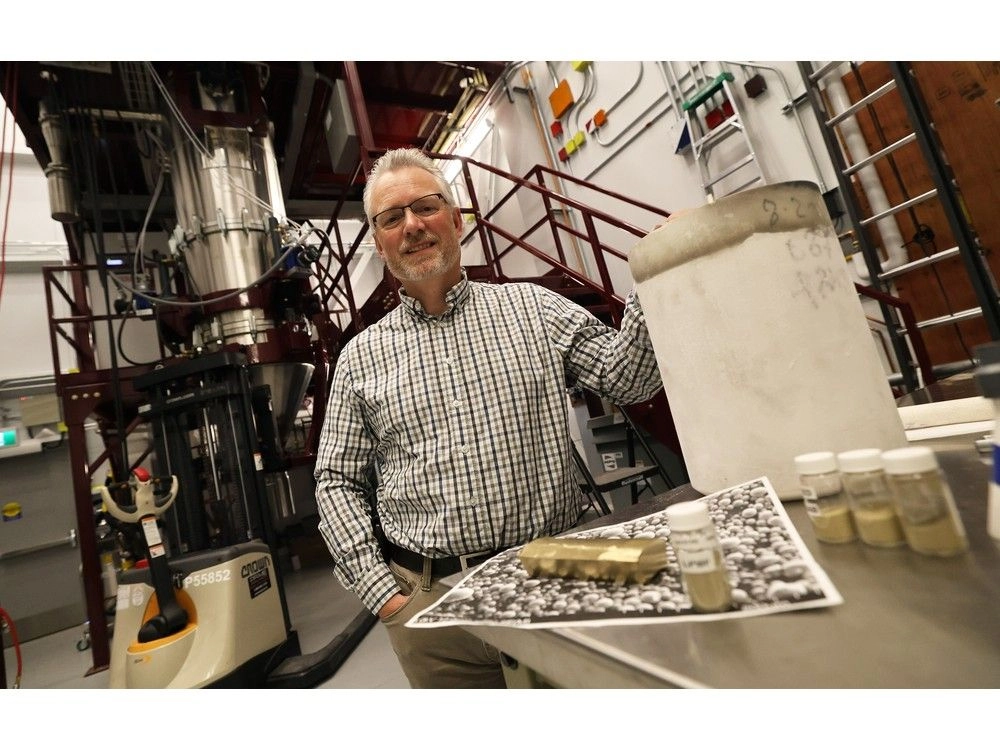
The navy is targeting 3D printing as a feasible solution for restoring or replacing non-critical parts. However, the adoption of 3D metal printing in submarine maintenance is hindered by the fact that many specialized alloys have not yet met navy specifications. This is where Paul Bishop’s research comes in. His team uses Canada’s largest gas-atomizer to melt alloys and create high-quality powders suitable for 3D printing before conducting rigorous tests to ensure they meet military standards.
The collaboration extends beyond maintaining submarines; it is also fostering an industrial capacity within Canada. Partner organizations, including those involved in the oil and gas industry and aerospace manufacturing, are gaining the knowledge and tools needed to implement 3D-printing technologies confidently. This endeavor not only reinforces the navy’s operational readiness but also cultivates a self-sufficient supply chain bolstering Canada’s defense infrastructure.