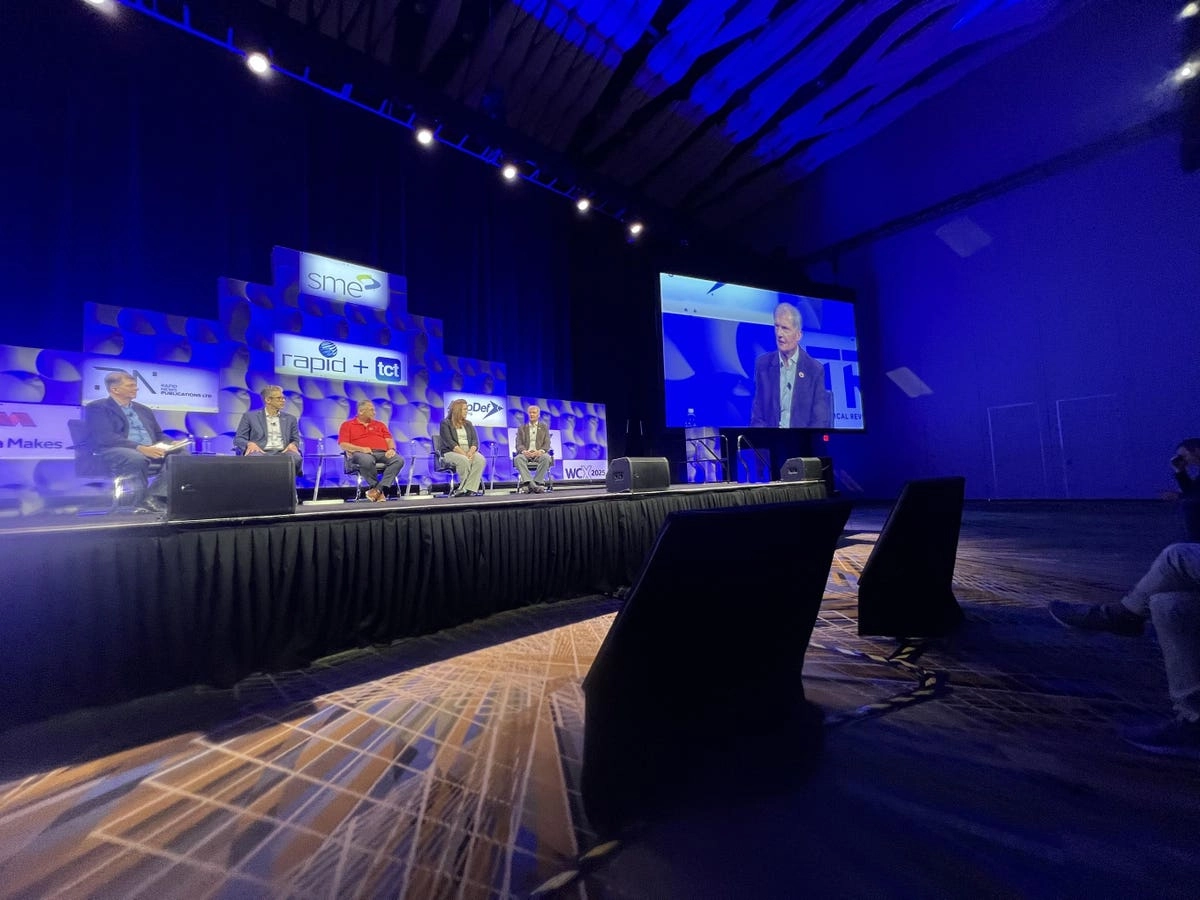
As the additive manufacturing (AM) community gathered in Detroit for the RAPID + TCT trade show, ASTM International released the 30th edition of the Wohlers Report, revealing the global AM market valued at $21.9 billion with a 9.1% compound annual growth rate. While these figures are promising across many industries, the AM sector remains cautious due to ongoing macroeconomic challenges. The event illustrated this mix of optimism and frustration.
One company emblematic of this tension is Velo3D, a manufacturer of metal 3D printers. After experiencing severe struggles during the SPAC collapse and nearly facing bankruptcy at the end of 2024, Velo3D was rescued by entrepreneur Arun Jeldi. He restructured the company, shifting its focus from solely producing AM systems to also providing parts manufacturing services. Velo3D’s Chief Operating Officer, Brad Kreger, noted a significant transformation, pivoting towards a diversified revenue model that includes technical services alongside machine sales.
Amid these changes, Velo3D has attracted former employees and new talent, driven by its involvement in defense and space programs. Jeldi emphasized their commitment to improving usability and reliability in their machines by collecting operational data directly from parts manufacturing.
In contrast, EOS, a long-standing player in metal AM, is focusing on understanding customer needs instead of merely increasing production capacity. EOS employs AI to streamline its processes, allowing less experienced operators to handle complex tasks that previously required expertise. Their training programs cater specifically to powder bed fusion users, enhancing accessibility and competence in the workforce.
A panel at RAPID + TCT explored the state of AM as it transitions from prototyping to profitable production, highlighting challenges in qualification processes and the need for industry consensus-based standards. Despite the obstacles, industry leaders remain optimistic about pursuing higher-value applications where AM can offer advantages over traditional manufacturing techniques.
Additionally, discussions around geopolitics underscored the evolving landscape for AM in the U.S. and globally. With current political policies impacting tariffs and defense spending, industry stakeholders emphasized the need for public-private partnerships to facilitate reshoring and innovation. There’s a growing sentiment that such challenges will ultimately strengthen the AM industry, fostering resilience through skill development and integration across various sectors.
Prominent additive manufacturing analyst Terry Wohlers encapsulated the prevailing sentiment, stating that while current issues pose challenges, they also create opportunities for growth and learning that will benefit the industry in the long run.