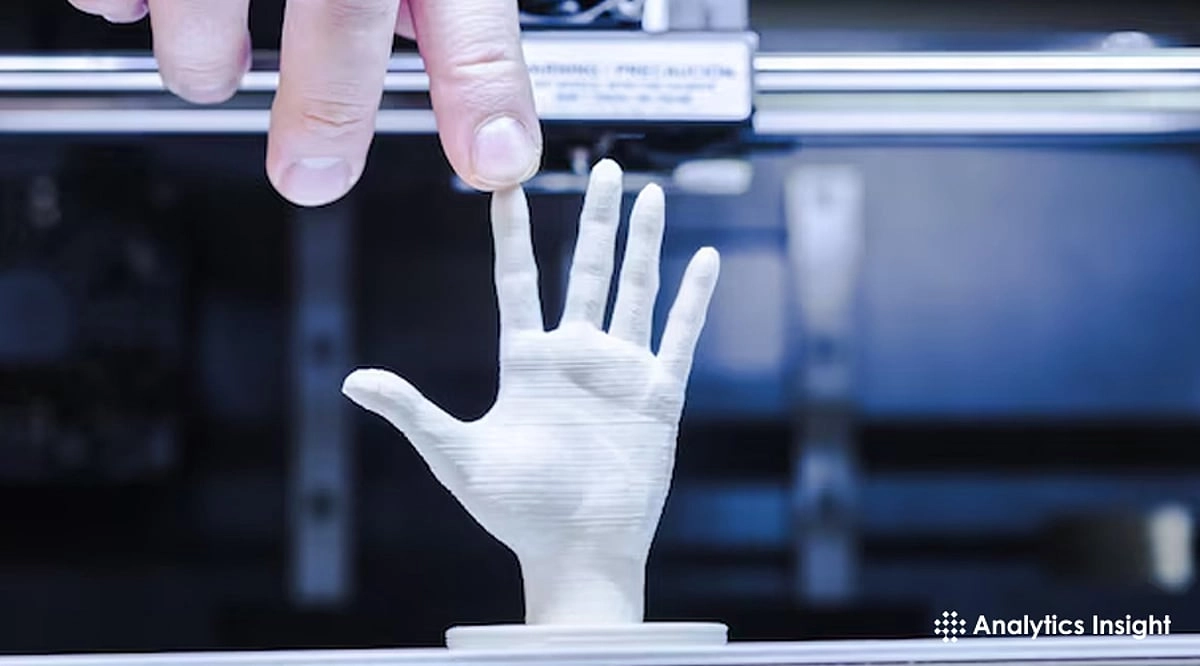
3D printing technology is making significant strides in the medical field, particularly in organ transplants. This advanced method transforms digital designs into physical objects by building them layer by layer, and its integration into healthcare is proving to be revolutionary.
One of the critical challenges in organ transplantation is the shortage of available organs. Millions of patients require transplants for failing organs, but the supply is often inadequate. 3D printing addresses this issue by enabling the creation of functional organs tailored to individual needs, effectively reducing wait times for urgent transplants.
Additionally, this technology allows for the production of personalized organs. By using a patient’s own cells in the process, 3D printing minimizes the risk of organ rejection and other immune complications. Techniques like cell seeding are employed to create a scaffold structure for organ development, where researchers are working to incorporate vascular networks inside these organs for enhanced durability. The process begins with medical imaging to ensure the generated organs match the patient’s specific anatomy, utilizing bioinks in 3D bioprinters for precision.
The 3D printing industry is evolving rapidly, showcasing substantial potential for improving organ transplantation. However, it faces several challenges, including high initial investment costs and a shortage of skilled labor. Despite these hurdles, ongoing research and development efforts are dedicated to overcoming these obstacles, marking a hopeful future for 3D printing in medicine.
Ultimately, the healthcare industry stands on the brink of significant transformation through the capabilities offered by 3D printing technology, offering promising solutions to longstanding issues in organ transplants.