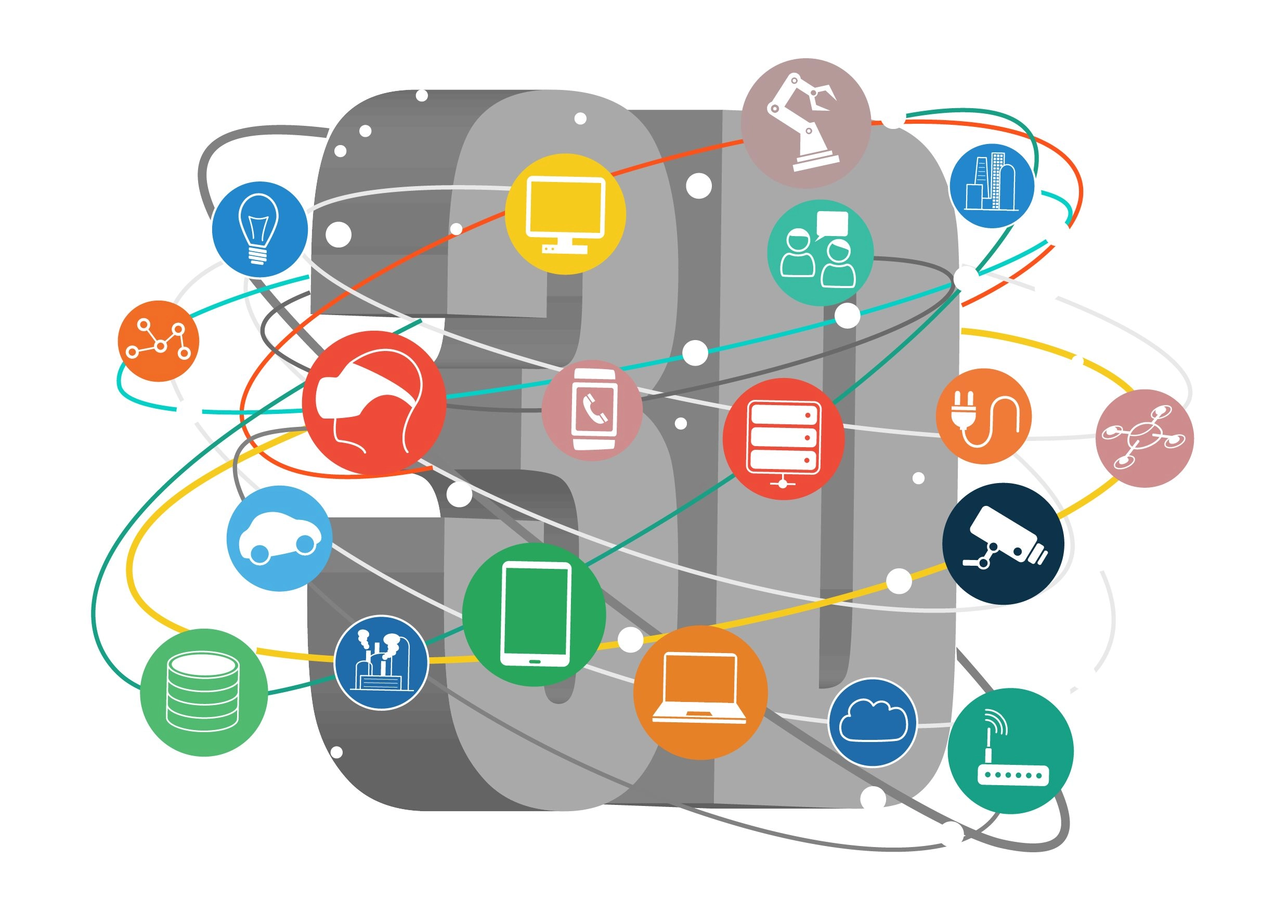
The convergence of 3D printing and the Internet of Things (IoT) is transforming the design, manufacturing, and deployment of smart devices. This partnership allows for rapid prototyping, customization, and optimized production processes, leading to revolutionary advancements across various industries.
Accelerating Prototyping and Product Development in IoT
3D printing has dramatically sped up the prototyping phase in IoT, allowing developers to create functional prototypes in a matter of hours as opposed to traditional methods that could take weeks or months. This rapid turnaround facilitates quick testing, immediate iterations, and real-time adjustments based on performance data, ultimately enhancing the development cycle and providing IoT companies with a competitive advantage.
Customization and Design Flexibility for IoT Devices
With 3D printing, manufacturers can create customized enclosures and components tailored to specific IoT devices, such as health monitors and industrial sensors. This flexibility eliminates the costs and time associated with traditional manufacturing’s mold requirements. Engineers can optimize their designs for function and aesthetics without extensive modifications, leading to bespoke designs tailored for niche applications. Additionally, metal 3D printing contributes precision and strength in scenarios demanding high durability, such as medical-grade devices.
Cost-Effective and On-Demand Manufacturing
3D printing negates the need for expensive molds and large production runs, making it a feasible solution for small businesses and startups in the IoT sector. Companies can produce smaller batches as needed, thus decreasing overhead costs. The ability to manufacture locally simplifies logistics and mitigates supply chain vulnerabilities, crucial in the rapidly evolving IoT domain where design changes occur frequently.
Integration of Advanced Materials in IoT Manufacturing
The evolution of 3D printing materials has opened doors to innovative possibilities. Traditional manufacturing is typically restricted to standard materials, while 3D printing supports diverse specialized filaments—conductive materials, flexible polymers, and high-temperature composites—enabling complex components that are ideal for IoT applications. This capability allows for functionalities to be embedded directly into device components, enhancing the performance and utility of IoT devices.
Sustainability Benefits of 3D Printing in IoT
In an era where sustainability is paramount, 3D printing offers a more eco-friendly manufacturing alternative. Traditional methods generate substantial material waste and demand significant energy consumption, while 3D printing minimizes waste by using only the required amount of materials and supports recyclability. The on-demand production helps curtail environmental impacts associated with overproduction, allowing manufacturers to align with sustainability initiatives and contribute positively to the industry’s green goals.
Future Implications and Emerging Trends in 3D Printing for IoT
As 3D printing technology matures, its implications for the IoT landscape will expand. Notable emerging trends include:
-
Printed Electronics: There are ongoing studies to 3D print whole circuit boards, which may streamline manufacturing, reduce costs, and enhance efficiency.
-
Self-Healing Materials: Research is being directed towards materials capable of self-repair, which could prolong the lifespan and reliability of IoT devices, thus reducing waste.
-
Mass Customization of IoT Devices: The future of IoT may lean towards individual-focused production, facilitated by AI design tools that allow users to modify devices down to hardware and software levels, enabling a wide array of specialized solutions.
Conclusion
The fusion of 3D printing with IoT is steering a new innovative path in smart device manufacture. From enhancing prototyping and reducing costs to fostering sustainability and enabling advanced materials’ integration, additive manufacturing is poised to redefine how IoT devices are developed and launched into the market. As technology continues to evolve, we can anticipate even more groundbreaking applications in the realm of interconnected smart systems.