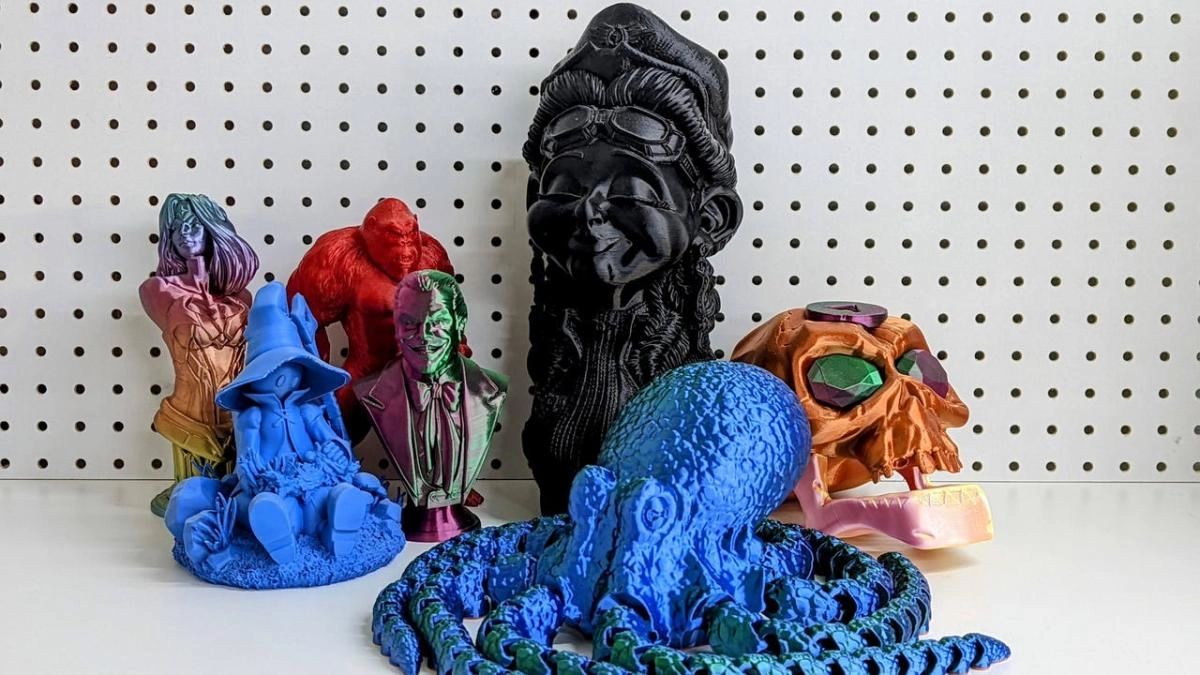
In the world of 3D printing, selecting the right filament can significantly enhance your printing experience and the quality of your projects. Among the diverse options available, PLA (Polylactic Acid) stands out as the most widely used filament due to its ease of use and safety. PLA is derived from corn starch, is non-toxic, and is generally considered compostable under industrial conditions. It melts at relatively low temperatures, making it compatible with a majority of FDM printers.
Despite its benefits, PLA does have drawbacks, such as brittleness and a tendency to warp when exposed to high temperatures. Yet, its sanding and finishing capabilities make it ideal for detailed projects. For those seeking high-quality PLA, MatterHackers’ Build Series PLA is highly recommended for its dimensional accuracy and effective post-processing characteristics.
Following PLA, ABS (Acrylonitrile Butadiene Styrene) remains a viable option, particularly valued for its durability and heat resistance. However, it is important to note that ABS emits harmful fumes when heated, necessitating proper ventilation during printing.
For those requiring greater heat resistance without the toxicity of ABS, PETG (Polyethylene Terephthalate Glycol) serves as an excellent intermediary. PETG retains the sturdiness of ABS with the user-friendliness of PLA, allowing for a better storage solution as well.
Moving into the realm of flexibility, TPU (Thermoplastic Polyurethane) shines for creating elastic models, such as phone cases. Despite its versatility, TPU can be tricky to work with, especially if your printer is not equipped for flexible filaments.
For advanced users, exploring exotic filaments such as glow-in-the-dark mixtures or metal-infused options like Proto Pasta Iron PLA can introduce exciting possibilities in design and functionality.
In conclusion, whether you are a beginner or a seasoned expert, understanding the various filament types—each with their unique strengths and limitations—will play a pivotal role in achieving exceptional results in your 3D printing endeavors.