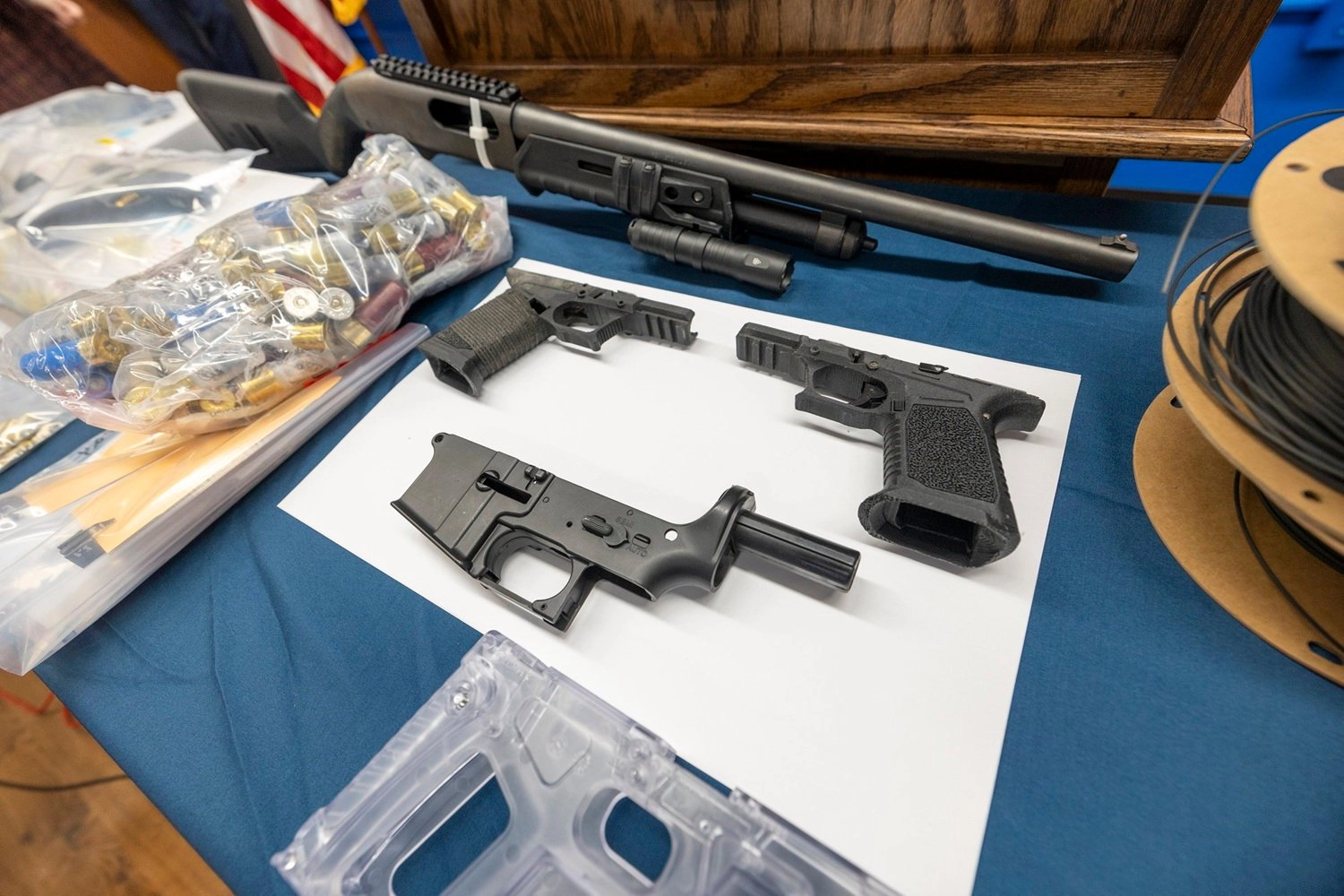
The New York legislature is considering a new bill, Assembly Bill A2228, which aims to impose background checks on individuals purchasing certain types of 3D printers that can produce firearms or their components. This proposed legislation treats the purchase of these printers similarly to that of firearms.
Under the proposed bill, retailers selling 3D printers capable of printing firearms would be required to request and obtain criminal history information from buyers. The state would then have a specified timeframe of 15 days to review the information for any disqualifying criminal records, such as weapons charges. This measure is seen as a response to the growing concern regarding untraceable weapons created with 3D printing technology.
The increase in unregulated 3D-printed firearms has raised alarms, with statistics indicating a sharp rise in incidents involving such weapons. For example, the number of 3D-printed firearms recovered in New York City grew from 100 in 2019 to 637 in 2022, while ghost gun shootings have surged by 1,000% nationally.
Senator Jenifer Rajkumar is spearheading the bill. She has previously attempted to enact similar laws, which did not advance in the previous legislative session. In a memo, she highlighted the necessity of a background check to prevent untraceable firearms from falling into the wrong hands.
Public feedback on the bill has been mixed, with some expressing strong opposition, citing concerns over legislative overreach and the effectiveness of such measures. Existing state laws on 3D-printed firearms vary widely, with some states regulating them as traditional firearms, while others have outright bans.
At the federal level, there is no comprehensive regulation governing 3D-printed guns, though previous executive actions have attempted to address the issue. Critics argue that those inclined to manufacture weapons at home using 3D technology are unlikely to comply with federal regulations.
The debate surrounding this proposed legislation raises critical questions about the balance between technological advancement and public safety.