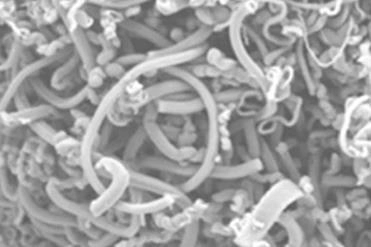
A new process has been developed to convert carbon dioxide into carbon nanotubes, which are then utilized to create high-density carbon nanocomposites via 3D printing. This innovative approach, spearheaded by researchers Kelvin Fu from the University of Delaware and Feng Jiao from Washington University, focuses on producing strong and lightweight composite materials with potential applications in transportation and construction.
The complex system begins with electrolysis, which transforms carbon dioxide into carbon monoxide. This carbon monoxide is subsequently processed in a thermochemical reactor with a steel wool catalyst that converts it into carbon nanotubes. The resultant nanotubes form a crucial part of the 3D-printed nanocomposite, comprising 38% of the material’s weight. The researchers believe this high nanotube content is essential for maximizing the use of carbon dioxide.
Economically, the process is promising, with a techno-economic analysis indicating it could reduce production costs of carbon nanotubes by 90% compared to conventional fossil fuel-derived methods. The benefits of carbon composites, notably their strength and thermal stability, may render them a preferable alternative to metals like aluminum and titanium across various sectors, thus potentially decreasing reliance on fossil-derived carbon.
The researchers posit that given the increasing demand for carbon nanocomposites, this carbon dioxide conversion process could significantly contribute to global carbon emissions reduction efforts.
References
B S Crandall et al, Nat. Commun., 2024, 15, 10568 (DOI: 10.1038/s41467-024-54957-w)