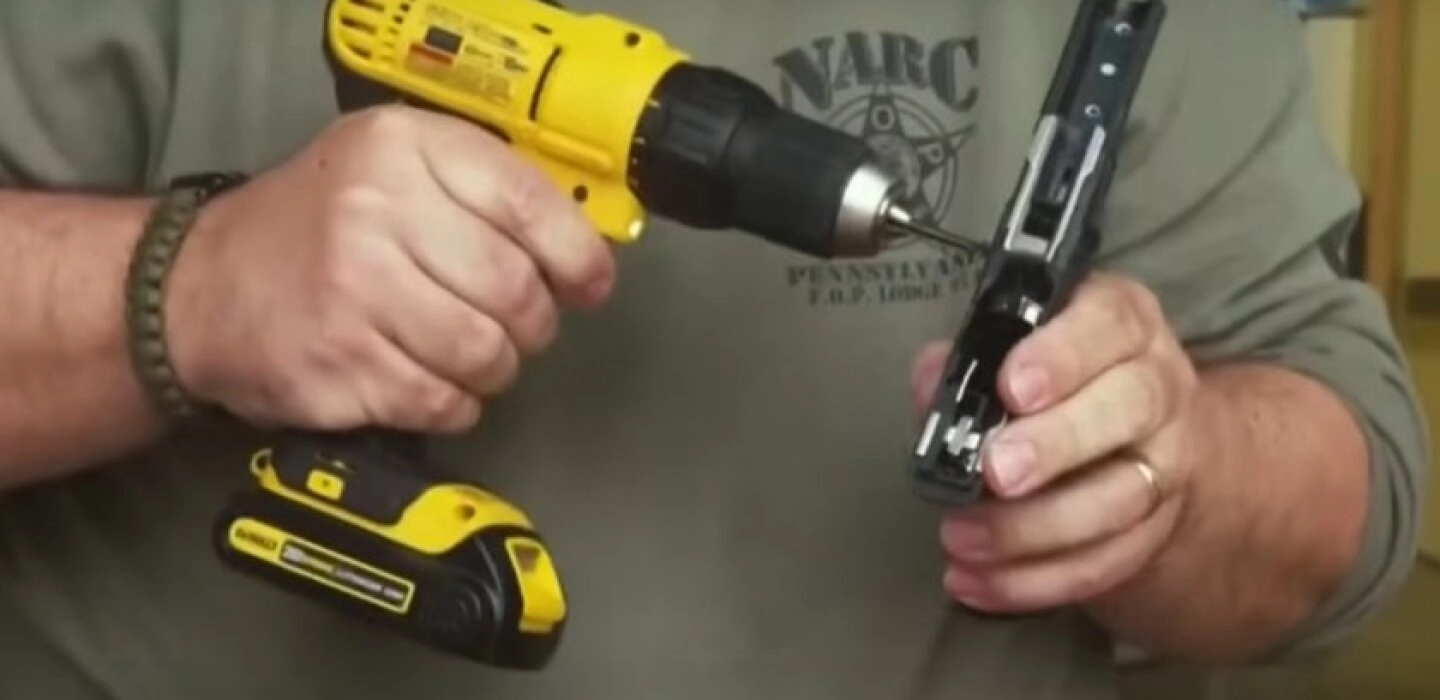
The use of 3D-printed firearms, often termed "ghost guns," is on the rise, demonstrating a significant challenge for law enforcement and regulatory agencies. These weapons, made from parts produced by commercially available 3D printers, can be either fully assembled or partially built from 3D-printed components, making them difficult to trace.
Recent incidents, such as the shooting involving UnitedHealthcare CEO Brian Thompson, have highlighted the increasing involvement of 3D-printed guns in violent crimes. In the U.S. and around the globe, reports of such firearms are multiplying, prompting police to struggle with effective regulation and enforcement.
The historical usage of 3D-printed guns began around 2013 with a notable case in the U.K. Since then, the prevalence of these weapons has surged. Between 2017 and 2021, U.S. law enforcement documented nearly 38,000 suspected ghost guns, with a stark increase in the number of arrests tied to these weapons. In the first half of 2023 alone, 108 arrests were made, nearly doubling the total from the previous year.
Different regions are responding to the ghost gun phenomenon in unique ways. For instance, Japan enforces severe penalties against unauthorized firearm production, while Canada recently enacted a ban on ghost guns, making their manufacture illegal. Australia similarly outlaws the production and even possession of blueprints for 3D-printed guns. Meanwhile, the European Union has varying regulations, with some countries criminalizing the possession of any digital files related to 3D firearms.
In the United States, regulations surrounding 3D-printed guns remain complicated due to constitutional protections, such as the First and Second Amendments. While federal licensing is required to sell these weapons, personal manufacturing for home use is generally permitted, as long as components are legally obtained. However, the rise of automatic conversion devices, such as Glock switches produced via 3D printing, presents additional legal challenges.
States are increasingly taking action as well, with many implementing regulations governing ghost guns. As technology evolves and the threats posed by 3D-printed firearms expand, law enforcement agencies will need to continually adapt to effectively manage these weapons and enhance public safety.