The popularity of 3D printing is on the rise, with many options available in the market. However, not every 3D printer delivers optimal results immediately. To achieve the best print quality, understanding and implementing 3D printer benchmarks and tuning processes are essential. Let’s delve into what these tests include and how to effectively use them.
A benchmark test for 3D printers often referred to as a “torture test,” intensely evaluates your printer. It involves a specific print designed to test various elements of 3D printing. These tests cover multiple factors like stringing, elephants foot, overhangs, and accuracy in holes and diameters, among others.
This comprehensive test serves as a diagnostic tool, indicating both the strengths and areas for improvement of your 3D printer. For instance, precise control over overhangs is critical; without correctly adjusted cooling or timing, the printer may not handle overhangs well, leading to unsuccessful prints. This insight helps pinpoint adjustments needed to enhance the printer’s functionality.
Before discussing what to look for in benchmarks, it’s important to prepare your printer for these rigorous tests. Most printers need some adjustments before they are ready to undergo benchmark testing to ensure they perform well under various stress conditions.
The other thing to keep in mind is that 3D printing benchmarks are something that you sometimes have to do on each new filament you print. That’s right, if you switch from OVERTURE to Polymaker, you’ll need to re-benchmark. If you move from PLA to PETG or TPU, re-benchmark. Or, at the very least, re-tune. This isn’t a one-and-done thing and is something you’ll be doing for as long as you 3D print.
3D printing benchmarks test a wide range of aspects of 3D printing. When picking a benchmark, look for what you’re specifically struggling with to start. If you’re finding that overhangs aren’t working well on your 3D prints, pick a benchmark that specifically tests that. Maybe you’re struggling with fitting parts inside each other. There’s a benchmark for that. Struggling with tons of stringing? There’s a benchmark for that.
Really, there are lots of benchmarks, and the only downside to running them is that they use filament. Outside of the actual filament usage, there’s no downside to running one or 20 benchmarks. The more you run, the more you’ll know about your printer and the better end result you’ll be able to achieve through tuning.
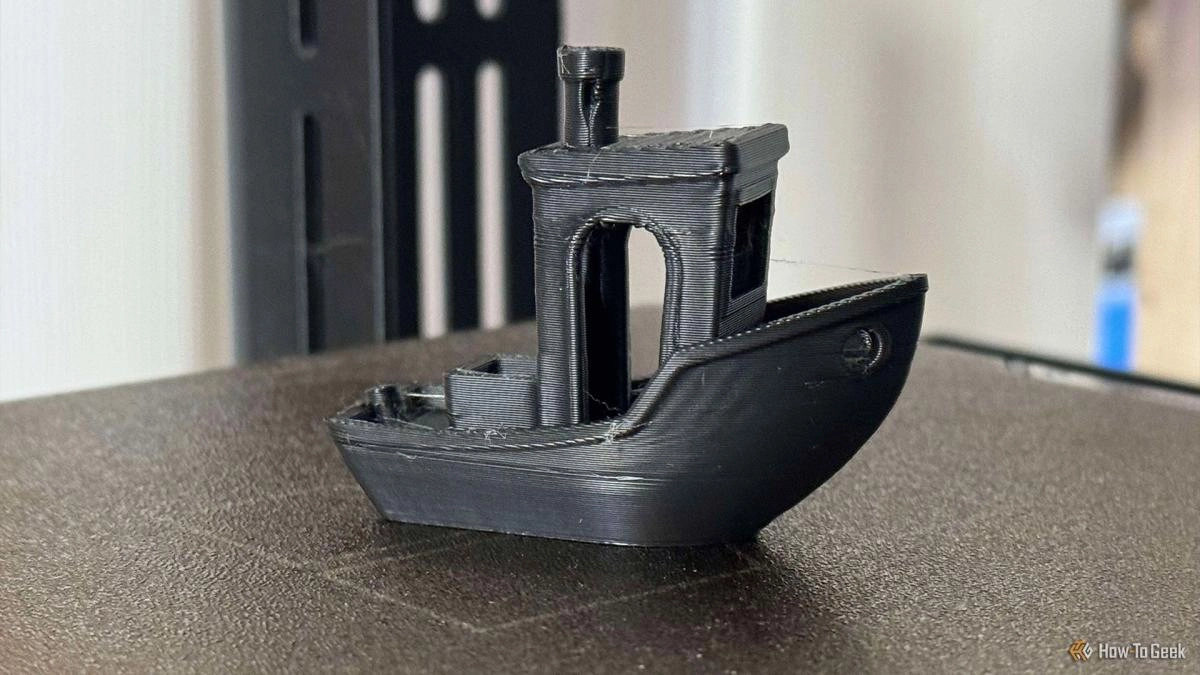
Benchy is a go-to in the 3D printing world, and while it used to be one of the favorite benchmarks of the time, it’s now just a right of passage for 3D printing enthusiasts. It does test a handful of things, like overhangs, small text, holes, and more. However, most 3D printers these days will at least print a fairly passable Benchy on a first try, so it’s not really a “torture test,” as I’d recommend for really pushing your printer to its limits.
Another popular choice for benchmarking 3D prints is the torture toaster. Several versions exist on different 3D printing websites, but my top pick is this one from Printables. It challenges your printer with tests on bed adhesion, tolerances, and overhangs, among other aspects. Successfully printing this model generally requires a well-adjusted printer, so keep that in mind. For those particularly struggling with tolerances, this simple tolerance test is highly recommended. It offers various tolerance settings helping you determine the specific needs of your printer for functional moving parts.
Additionally, there are all-in-one tests like this one, which includes multiple tests in a single print. These tests provide detailed insights into printer capabilities like overhangs, hole and diameter sizing, stringing, bridging, and support structures. However, be aware that an all-in-one test is intended to challenge your printer, often to its limits. It’s rare for an uncalibrated or even moderately calibrated printer to pass all these tests without issues. Even a well-optimized printer might find these tests demanding, so expect some challenges with an all-in-one torture test series.
Platforms like Printables, Thingiverse, and MakerWorld offer a variety of 3D printing test models. While I’ve highlighted just a few favorites here, there’s a vast collection to explore for anyone interested in precision printing tests. Remember to test extensively and share your preferred 3D prints on Instagram at @CreatedWorkshop.