This month, the U.S. Army’s 1st Special Forces Group (Airborne) held a symposium at Joint Base Lewis-McChord, Washington, to train soldiers in additive manufacturing, commonly known as 3D printing. This initiative is part of a broader revolution in the U.S. military utilizing 3D printing to establish immediate supply chains right at the fingertips of service members. The technology is being employed across various military applications, including the production of parts, vehicles, weapons components, drones, fortifications, and even military housing.
In a progressive development, 3D-printed weapons, such as the new BRAKER bunker buster bomb, which is designed to be fired from a suicide drone, demonstrate the technology’s versatility. Additionally, the Maryland Air National Guard has developed an Expeditionary 3D Concrete Printer capable of building resilient fortifications rapidly in combat zones—producing strong structures within a day and requiring minimal personnel to operate.
The Army is also expanding its 3D printing capabilities for construction projects, marked by the successful construction of barracks at Fort Bliss, Texas, using a concrete-based 3D printing technology known as the Vulcan printer. Future plans include utilizing 3D printing for temporary living quarters at Fort Polk, Louisiana, among other facilities.
The Navy is experiencing a similar transformation in production methods. Using Firestorm Labs’ mobile additive manufacturing stations, military branches can generate necessary components in response to immediate needs. This technology has seen applications from producing FPV drones to urgently required repair parts on the field.
A notable collaborative effort includes a partnership with SPEE3D, which demonstrated the ability to produce metal components in live exercises. These breakthroughs in on-demand manufacturing are significantly improving combat readiness while reducing logistical challenges encountered by military units.
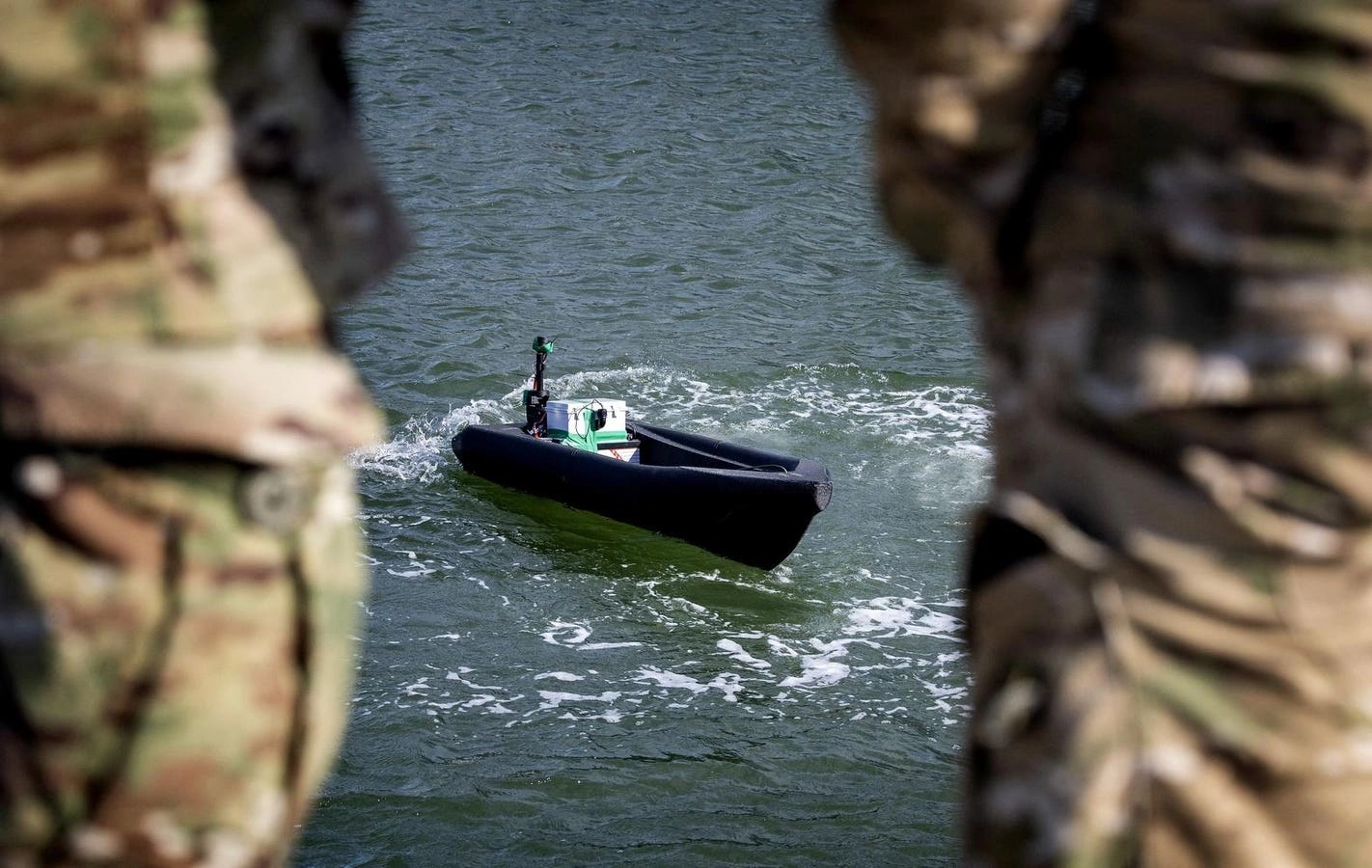
Meanwhile, the U.S. Navy is integrating 3D printing into maritime warfare, notably through NATO’s collaboration to create 3D-printed unmanned vessels. The rapid printing of parts has become crucial in addressing delays in shipbuilding and repair, with advancements resulting in the first installation of a 3D-printed metal valve on a nuclear-powered aircraft carrier.
The growing reliance on 3D printing technology is paving the way for a revolutionary logistics framework within the military, enabling forces not only to be more efficient but also potentially altering the nature of military operations altogether. The adaptability and efficiency of this technology forecast a significant shift in how military forces conduct their activities and engage in warfare in the future.