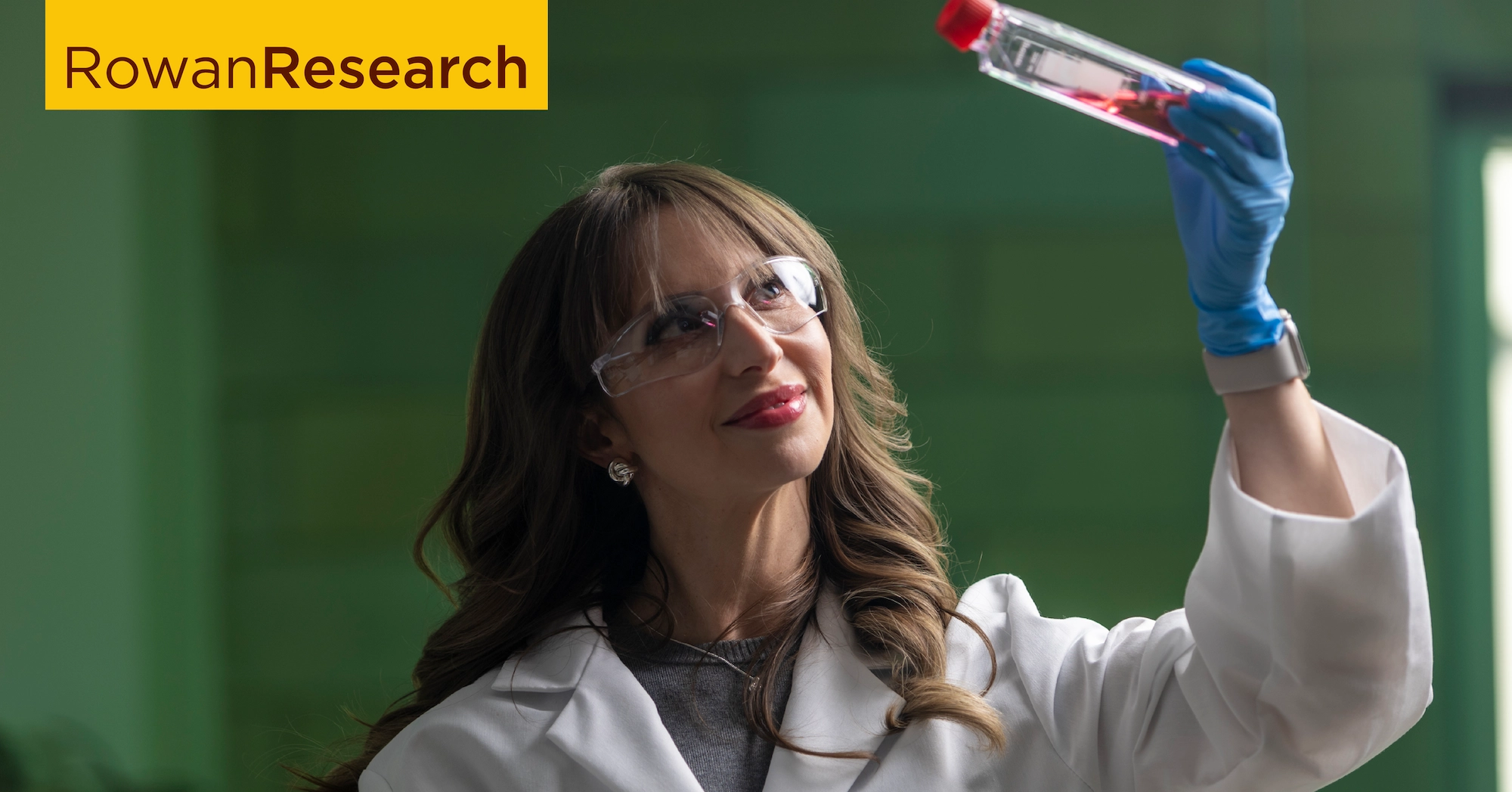
Andrea Vernengo, Ph.D., an associate professor of chemical and biomedical engineering at Rowan University, is at the forefront of studying cell communication using advanced 3D printing technologies. Her research focuses on how cells send and receive messages in the body and aims to uncover new therapies for wound healing and cancer treatment.
Dr. Vernengo uses hydrogels—soft materials that can support cell growth—to recreate and explore cellular communication processes. “In many physiological processes, cells coordinate and communicate with each other through chemical signals,” she explains, underlining the importance of this interaction in tissue regeneration and repair.
One area of her research is wound healing, where her team studies mesenchymal stem cells known for their ability to regenerate tissues like bone and cartilage. By understanding the signals exchanged between these cells, they hope to develop therapies that enhance the healing process, potentially benefiting patients with impaired healing abilities.
In cancer research, Vernengo’s lab is investigating chondrosarcoma, a rare bone cancer, analyzing whether communication between cancer cells and stem cells plays a role in tumor aggressiveness.
Using a specialized 3D printer, her team creates cubic centimeter blocks of hydrogel, each embedded with 500,000 to a million cells. These cell-laden constructs allow for detailed imaging and biochemical analysis, leading to new insights into cell behavior and interactions.
Additionally, Dr. Vernengo is keen on translating her scientific findings into marketable products. Through participation in the National Science Foundation’s Innovation Corps, she has gained insights into the entrepreneurship process, emphasizing the integration of real-world needs into her research.
For further information about her work and the ongoing research at Rowan University, you can visit the National Science Foundation’s Innovation Corps and explore more about Rowan University researchers.