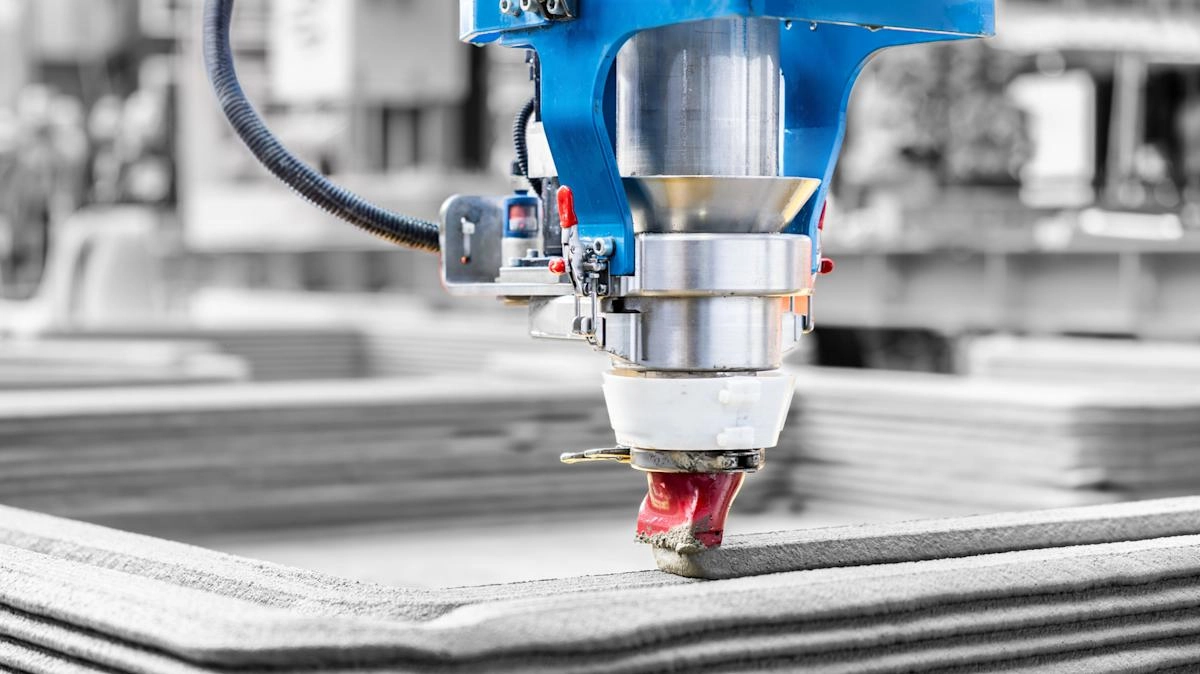
The concept of 3D printing houses, once thought to be purely the realm of science fiction, is now becoming a reality. Companies like 4Dify are leading the way, as they embark on ambitious projects such as constructing what they claim is the first 3D-printed neighborhood in Yuba County, California. This project involves building five homes, each around 1,000 square feet, with at least one home listed for sale at a price lower than the regional average. This endeavor is being presented as a potential solution for the ongoing housing crisis, raising hopes for more affordable living options.
However, while the initial prices may seem appealing, there are significant caveats to consider. For instance, the 3D-printed house from 4Dify is priced at approximately $375,000. Although this appears to be a bargain compared to the average home price of $450,000 in the area, the cost per square foot is approximately $375—much higher than the average of $268 for traditional homes. This discrepancy is attributed to the high initial investment in the technology and the fact that the 3D printing process primarily addresses the structure itself. Traditional labor and materials are still necessary for crucial aspects like plumbing and wiring, which adds to the overall expense.
Moreover, even at scale, such as in Georgetown, Texas, where ICON has developed the world’s largest community of 3D-printed homes, prices remain comparable to traditional housing, ranging from $450,000 to $600,000. This indicates that 3D printing has not yet achieved its goal of significantly reducing construction costs.
Looking forward, there is optimism that prices for 3D-printed homes will decrease over time as technology advances. For instance, early constructions with 4Dify took over 24 days but the team expects future homes to be printed in just 10 days. Additionally, improvements could lead to the construction of houses at lesser costs. Local governments are also updating building codes to accommodate these new structures, which may help alleviate some of the initial hurdles in project approval and costs.
Importantly, the evolution of 3D printing technology has the potential to create stronger, more durable homes that can withstand the test of time. Such advancements may result in lower maintenance costs for homeowners in the long run, presenting a compelling case for these innovative building methods as a worthwhile investment.
For further reading about the potential of 3D printing in tackling housing issues, you can explore this additional article on the topic.