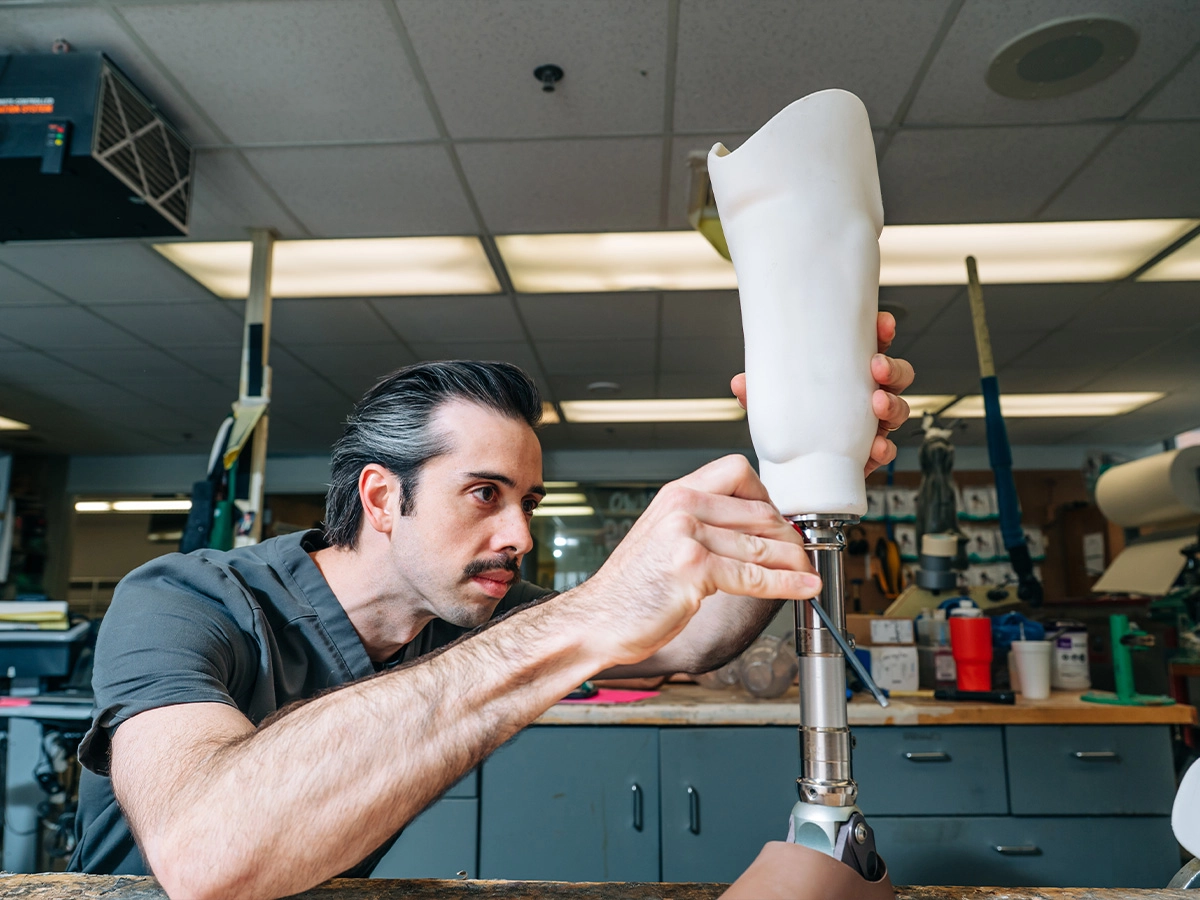
The University of Alabama at Birmingham’s Amputee Clinic has become a leader in the state by adopting innovative 3D-printed prosthetic technology. This clinic, located at the Spain Rehabilitation Center, is now the first in Alabama to offer 3D-printed prosthetic sockets, joining a select few across the nation who have integrated this cutting-edge technology into patient care.
Dr. Conley Carr, the clinic’s director and assistant professor in the Department of Physical Medicine and Rehabilitation, emphasized that 3D printing allows for quicker and more affordable production of prostheses. "If you look in the literature, it’s hard to find people doing this kind of work," Carr explained. "Only a small number of prosthetics clinics have integrated 3D printing into routine patient care, making UAB part of a limited group offering the technology."
With the demand for prosthetic limbs rising—expected to double by 2050 due to increasing cases of vascular disease and diabetes—UAB is well-positioned to meet these needs. Traditional methods for creating prosthetics are often labor-intensive and limited by processing hours, which the UAB Orthotics and Prosthetics Lab seeks to overcome through digital operations.
The lab has utilized 3D scanners and carving machines for some time, but the introduction of the 3D printer allows the clinic to convert digital files directly into finished prosthetic sockets. Certified prosthetist Brian Mueller noted the efficiency of this process, stating that while each socket takes hours to print, the printer can run unattended overnight or on weekends.
One of the significant advantages of 3D printing is personalization. Each socket is tailored to the specific anatomy of the patient, enhancing comfort and reducing risks like skin irritation and pressure sores. Patients can expect to receive their prosthetic sockets in mere days, significantly faster than the weeks required under traditional methods, which accelerates rehabilitation efforts.
The 3D printer will not only improve prosthetic sockets but also enable the creation of customized braces for various patient needs. Carr mentioned that these could be vital for individuals from different medical backgrounds, such as those recovering from strokes or requiring spinal braces.
As the Amputee Clinic expands, 3D printing technology will remain integral in addressing the diverse needs of its patients. For more information about the clinic and advancements in prosthetics, visit the UAB Amputee Clinic website.