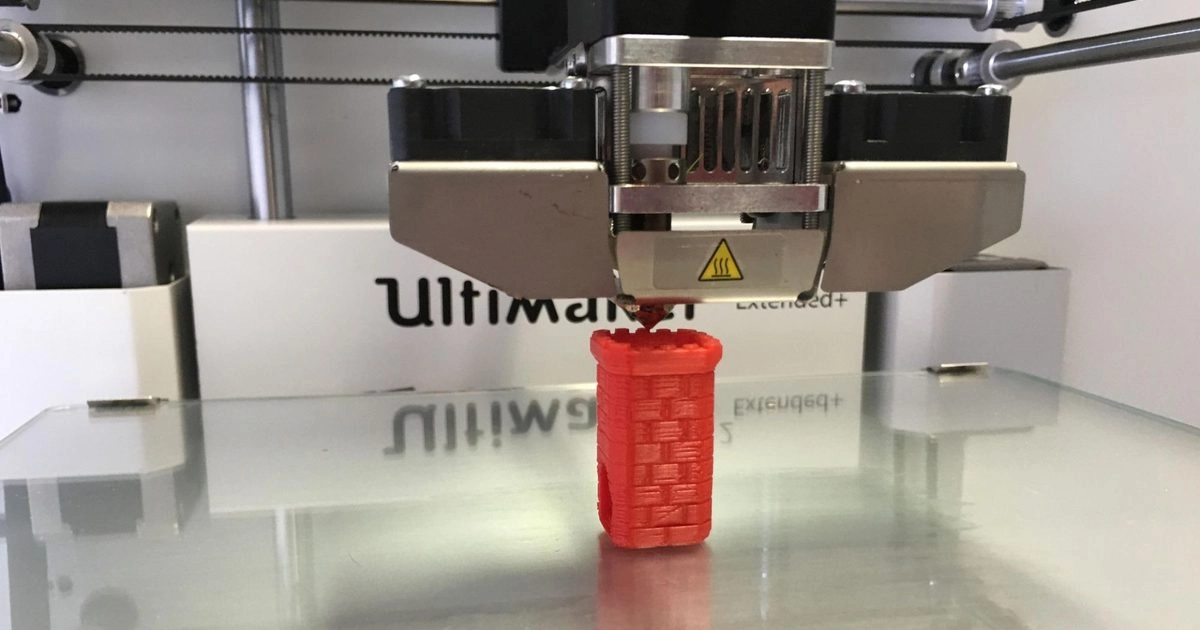
Google has recently enhanced its Gemini 3 model with a significant update to its Deep Think mode, marking a pivotal advancement in the realm of 3D printing. This update streamlines the process of transforming sketches into practical 3D files, making it accessible even for those without specialized CAD skills. The focus of this enhancement lies in its improved multimodal understanding and reasoning capabilities, tailored for engineering, research, and scientific applications.
This groundbreaking feature allows users to convert rough sketches or 2D images into detailed 3D models ready for 3D printing, eliminating the need for complex CAD software and extensive technical knowledge. A major benefit of this tool is that it simplifies the transition from conceptual design to actual fabrication, particularly for prototyping in engineering settings.
As highlighted by MIT engineering professor Markus Buehler, the new Deep Think mode is not only about converting drawings into 3D files but also facilitates iterative design processes. The ability to make conversational commands for adjustments provides substantial time savings and enhances efficiency for both amateur and professional users in fields like material science and architecture.
Markus Buehler shared a personal experience using Deep Think to design and print a spider-web inspired bridge, showcasing its potential to drive innovation in material and architectural design. This capability underscores a significant shift toward practical applications of AI in design and manufacturing, as Gemini 3 Deep Think is set to be available for Google AI Ultra subscribers and through an API for companies and researchers.
For those interested in learning more about this update and its implications for 3D printing, you can find additional information about Gemini and its applications in Google Gemini and 3D printing.