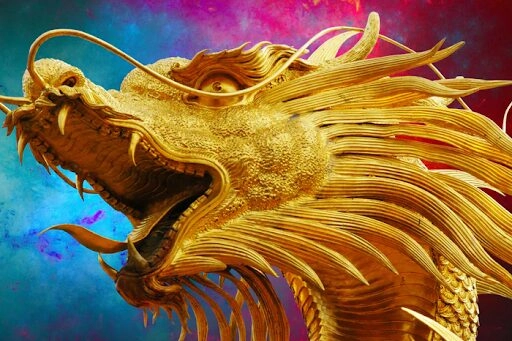
3D printing technology has transformed modern manufacturing and design by enabling the creation of detailed, customized objects effortlessly. Among the standout productions in this field are 3D printed dragons. These mythical figures, realized through cutting-edge technology, mix art, culture, and innovation. This article explores the fascinating realm of 3D printed dragons, from their creation to their cultural impact and the complex techniques used to produce them.
The process of crafting a 3D printed dragon is both a technical and artistic endeavor, demanding a thorough knowledge of 3D modeling coupled with an appreciation for the iconic status of dragons. Designers start with digital sculpting tools to carefully outline each detail of the dragon, from scales to wings and claws. This stage is a meticulous balance of creative vision and technical expertise, where the designer has to take into account both the aesthetic elements of the dragon and the practical aspects of 3D printing.
After refining the digital model, the next step involves slicing the model into layers through specialized software, transforming it into executable instructions for the 3D printer. During this phase, parameters like layer thickness, fill density, and print speed are adjusted to ensure the print captures every intended detail. The end product is a magnificent 3D print dragon, manifesting the artist’s vision and showcasing the prowess of contemporary 3D printing technology.
Traditionally, dragons occupy a revered place across diverse global cultures. In Eastern traditions, dragons are seen as wise and benevolent, often associated with water, rainfall, and fertility, symbolizing strength and good fortune. In contrast, Western narratives frequently depict dragons as menacing creatures linked with chaos and power, guardians of treasures or adversaries of heroes.
The creation of dragons through 3D printing provides enthusiasts a tangible connection to the mythical lore of these creatures. From the elongated and whiskered Eastern dragons to the broad-winged and fire-breathing Western types, this technology facilitates the production of culturally significant figures. These 3D models vary from ornamental artifacts and educational models to everyday objects like jewelry and keyrings, each embodying the historical essence of the dragons they depict.
Just as the technology of 3D printing has evolved, so has the production of 3D printed dragons. Initially, the limited resolution of early printers and their difficulty in handling complex structures and finer details meant that these dragons lacked sophistication. Where once rigs struggled with intricate designs, today’s advancements have paved the way for creating detailed and complex dragons complete with scaled textures, precise facial contours, and even movable wings. The innovations in using various materials and colors further enhance their vibrancy and realism, broadening their appeal across different audiences, from casual crafters to professional creators.
Nonetheless, despite such advancements, crafting 3D printed dragons comes with its unique set of hurdles. Among these is accurately replicating the finer aspects like scales and winged textures. The process demands a meticulous selection of printer capabilities and materials—the properties of substances like PLA might facilitate easier printing yet could fall short in detailing compared to materials like resin.
Another challenge is managing overhangs and supports in 3D printing, particularly with dragons featuring complex designs like outstretched wings or curved tails. These elements often require supports that, while stabilize the printing process, can leave blemishes on the final product and need additional refinement after printing. Advanced strategies such as using dissolvable supports or adjusting the print orientation can improve results but demand greater expertise.
The customization possibilities of 3D printing are immensely gratifying, particularly for crafting dragons. This technology allows for extensive personalization, from adjusting the dragon’s size and stance to incorporating distinctive elements like glowing eyes or moveable wings. Whether aiming to reflect a specific cultural motif or inventing an entirely original design, 3D printing offers the tools to realize these creative visions.
Material choice further enhances customization in 3D printing. Commonly used PLA is favored for its simplicity and cost-effectiveness, while other materials like ABS, PETG, and resin provide unique benefits such as increased durability or finer detail capabilities, respectively. Printers capable of handling multiple materials at once expand the creative potential, enabling the production of dragons in varied colors and substances within a single model.
3D printed dragons have profoundly influenced popular culture, especially in gaming, films, and collectibles. They are particularly celebrated in tabletop games like Dungeons & Dragons, where such intricately printed figures can represent players’ characters or foes, enhancing the depth and enjoyment of gameplay through detailed, customized miniatures.
In the realm of filmmaking, dragons crafted through 3D printing have redefined props, models, and special effects. The ability of 3D printing to capture exceptional detail enables the production of dragons that appear incredibly lifelike and can be duplicated effortlessly for various scenes or needs. Moreover, these 3D printed dragons have gained popularity as collectibles, with enthusiasts crafting and marketing unique designs, ranging from miniature figures to elaborate sculptures, each depicting a distinct version of these legendary creatures.
With the ongoing advancements in 3D printing technology, the prospects for 3D printed dragons appear very bright. Developments in print materials, including stronger, more flexible, and conductive options, pave the way for dragons that are not just more refined but also functional. Picture a 3D printed dragon capable of moving its articulated wings or featuring LED lights to simulate glowing eyes or fiery breath.
Additionally, the emergence of bioprinting, which utilizes 3D printing for creating structures from living cells, introduces an intriguing possibility of crafting actual dragons, though on a smaller scale. These innovations, coupled with the enhanced affordability and availability of 3D printing, suggest that the allure of 3D printed dragons will continue to enchant and stimulate creativity into the future.
The fascination with dragons has always been profound, and 3D printing has taken the embodiment of these mythical entities to new heights. The journey of creating a 3D printed dragon merges art, culture, and technology, resulting in creations ranging from artistic showpieces and gaming accessories to prized collectibles. This amalgamation of creativity and technological evolution ensures that the legend of dragons will be endlessly enhanced and cherished across future generations.